
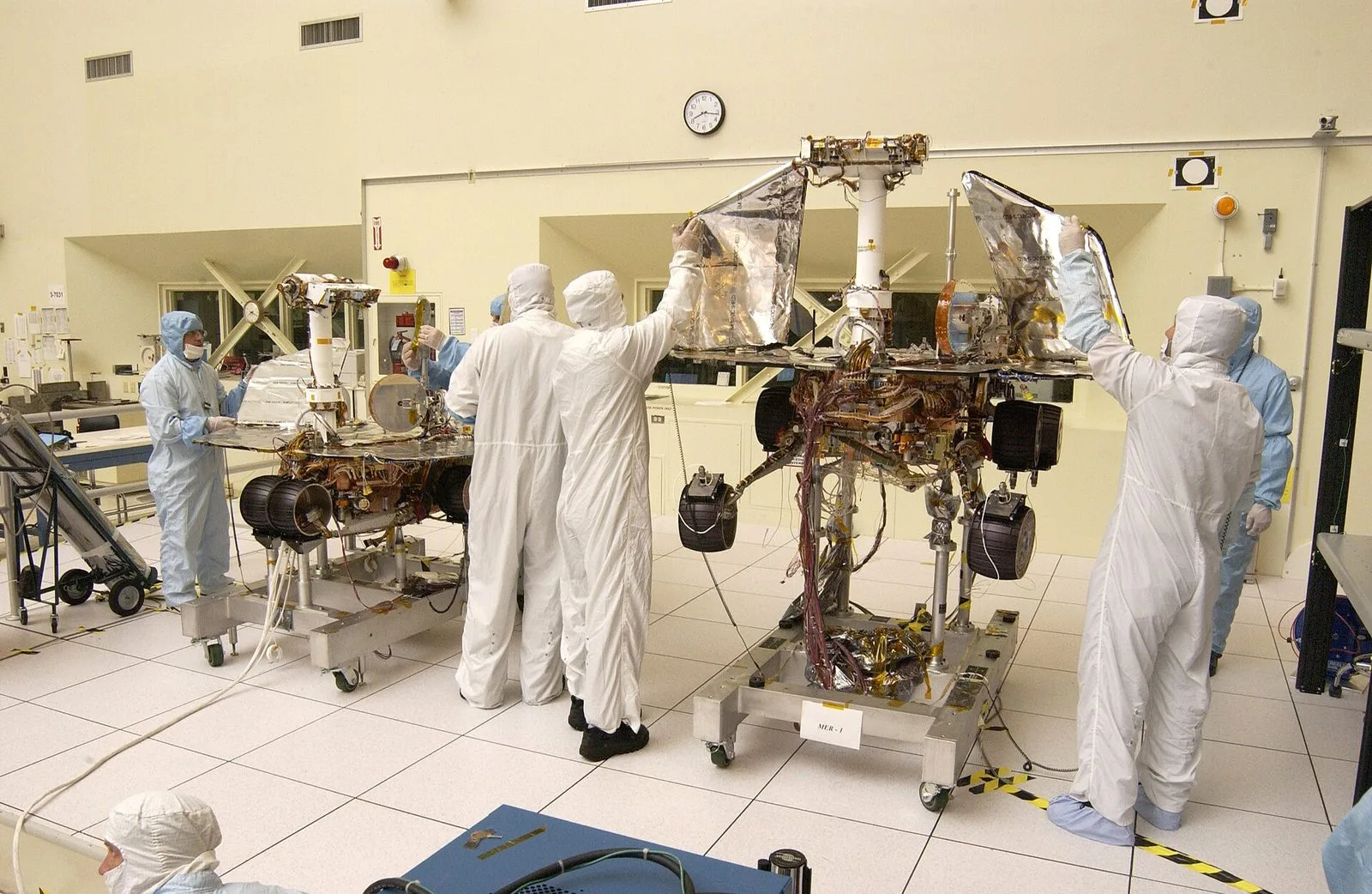
We already have Opportunity on our site, so it is time to give its twin the attention it deserves. Spirit (officially MER-A) landed in Gusev crater on Mars on 4 January 2004, three weeks before Opportunity touched down on the other side of the planet. Its name came from a NASA essay competition for students.
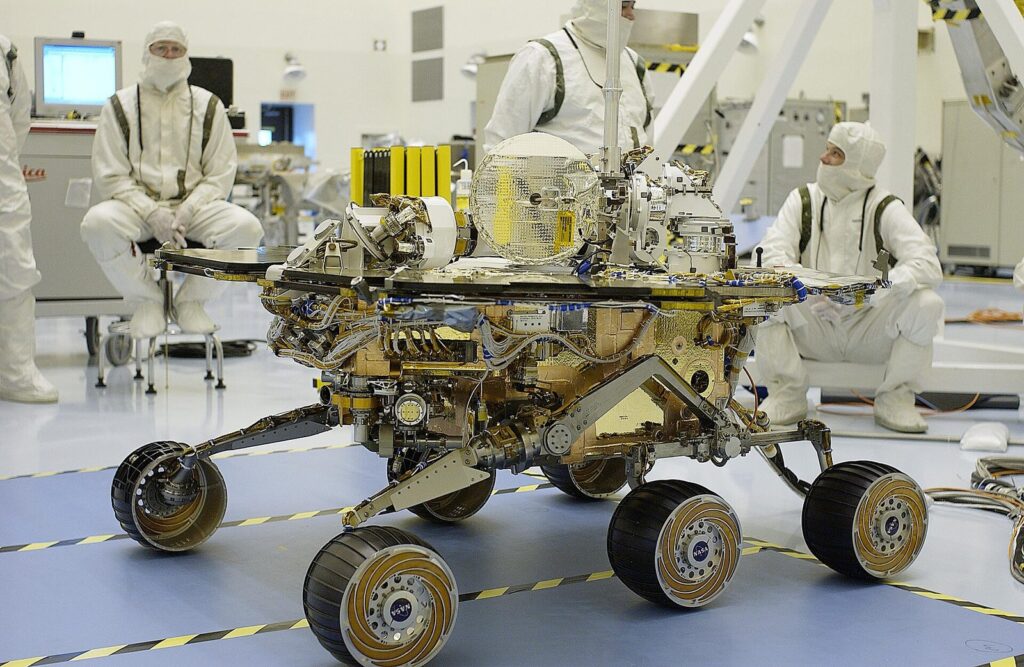
Both rovers were solar-powered six-wheelers designed for a mission of just 90 sols, about 92 Earth days. Each wheel had its own motor. The rover was steered at the front and rear and could handle slopes of up to 30 degrees. Its top speed was 5 cm per second; the average was closer to 1 cm per second. The solar arrays delivered roughly 140 W at the start of the mission. NASA expected Martian dust to cover the panels and end the mission within months.
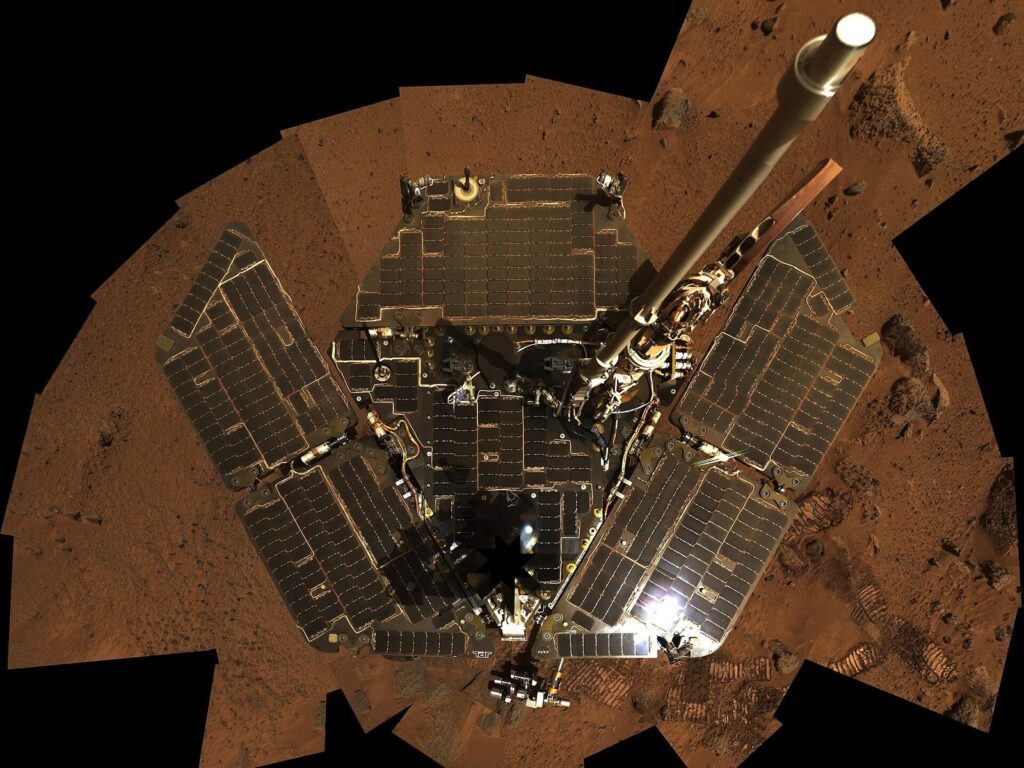
Then Mars surprised everyone: wind gusts and dust devils cleaned the panels again and again, restoring power. Spirit kept working twenty times longer than planned and drove 7.73 km instead of the planned 600 m, studying rocks that showed that water had once played a role in Gusev crater. Even after one wheel stopped turning in 2006, the team drove it backwards, dragging the broken wheel, which by accident dug up important minerals.
In late 2009 Spirit got stuck in a sand trap, at an angle that kept its panels from catching enough winter sun. Its last signal reached Earth on 22 March 2010, and NASA ended the mission on 25 May 2011. Spirit shows something every solar traveller knows: the angle of your panels and clean surfaces matter. Its little successor in the sky was the Ingenuity helicopter.
Technical data
| Builder | NASA JPL (USA) |
|---|---|
| Mission | Mars Exploration Rover A (twin of Opportunity) |
| Landing | 4 January 2004, Gusev crater |
| Layout | Six wheels, each with its own motor; front and rear steering |
| Solar | ~140 W at mission start; panels cleaned by wind gusts |
| Planned / actual | 90 sols planned; >6 years of operation |
| Distance | 7.73 km (600 m planned) |
| End | Last contact 22 March 2010; mission ended 25 May 2011 |
Photos
- Top photo: NASA/JPL / Wikimedia Commons, Public domain
- Spirit seen from above: a mosaic of its own solar deck, take… Photo: NASA/JPL-Caltech/Cornell / Wikimedia Commons, Public domain
- Final checks of Spirit's solar arrays at Kennedy Space Cente… Photo: NASA / Wikimedia Commons, Public domain
Sources
Keep exploringMore solar projects
 4 WheelsStella Lux – The Energy-Positive Family Car
 4 WheelsVenturi Eclectic – The Sun-and-Wind City Car from Monaco
 5+ WheelsByron Bay Solar Train – The First Solar-Powered Passenger Train
 5+ WheelsSojourner – The First Solar Rover on Mars
 PlanesNASA Helios – The Solar Wing That Flew to 29 km
 Trailerthe Tin Tent
 3 WheelsMidnight Sun – Waterloo’s Solar Cars and a 15,070 km Record
 BoatsTU Delft Solar Boat – Flying Over Water on Hydrofoils
 BoatsSunCat 120 – Berlin’s Solar Catamaran on the Spree
 BoatsElektronemo – Prague’s Solar Boat in the Devil’s Channel
 4 WheelsStella Vita – A Solar-Powered House on Wheels
 PlanesSolar Riser – The First Human Flight on Solar Power (1979)
 3 WheelsMomentum – Michigan’s Three-Wheeled Solar Champion
 BoatsFährBär – Berlin’s Solar Ferries
 PlanesSolair I – Germany’s Solar Aircraft Pioneer
 3 WheelsUmicar Infinity – Belgium’s Runner-Up in the Outback
 BoatsSolifleur – One of the First Solar Passenger Boats
 PlanesSunseeker II – First Solar Plane Across the Alps
 4 WheelsSolarWorld GT – Around the World in a Solar Car
 BoatsNeckarsonne – Heidelberg’s Big Solar Catamaran
 3 WheelsXOF1 – Marcelo da Luz’s Solar Car to the Arctic Ocean
 4 WheelsMercedes-Benz / Alpha Real – Winner of the First Solar Car Race
 4 WheelsSolar Buzz – A DIY Solar Bus for a Small Town
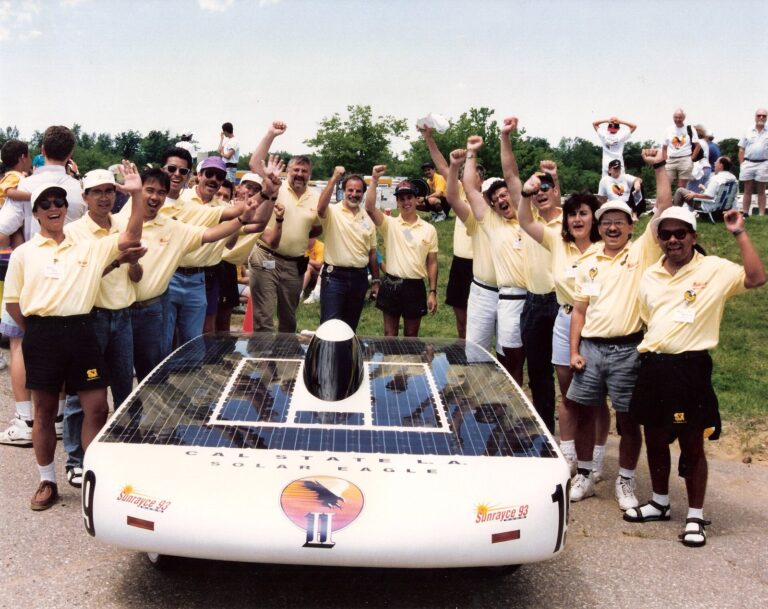 3 WheelsSolar Eagle II – Cal State LA’s Pole-Position Racer
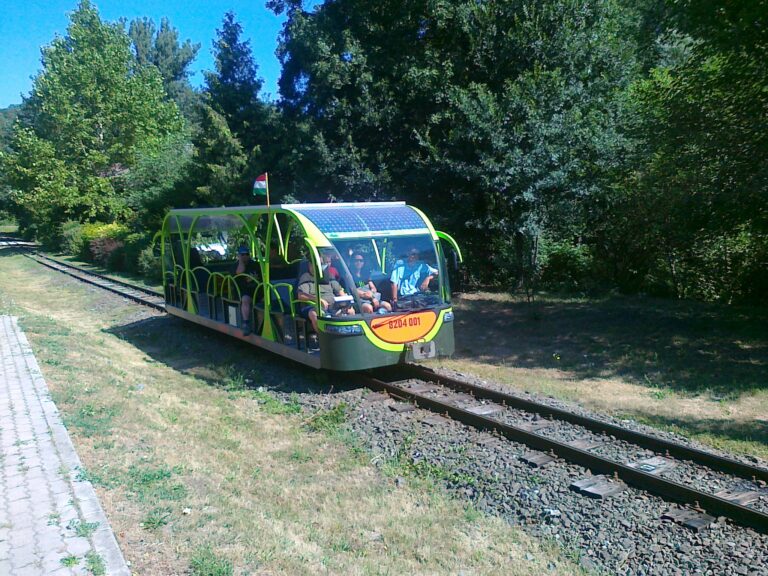 5+ WheelsKirályrét Solar Railcar – A Forest Train Running on Sunshine
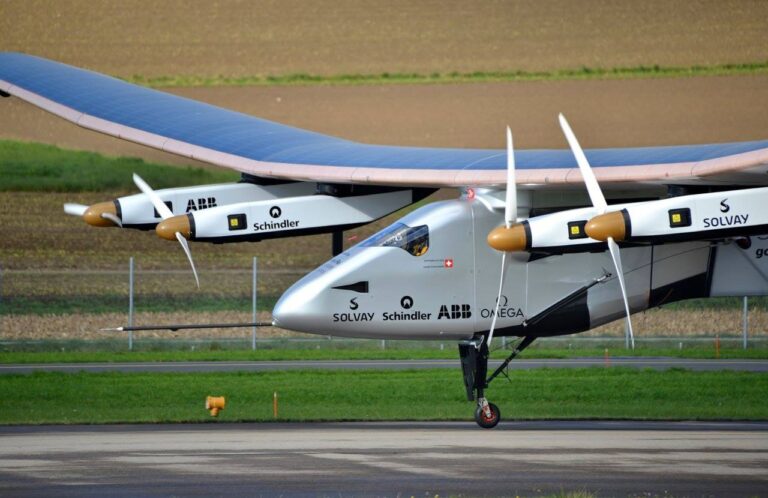 PlanesSolar Impulse 2 – Flying Around the World on Sunlight
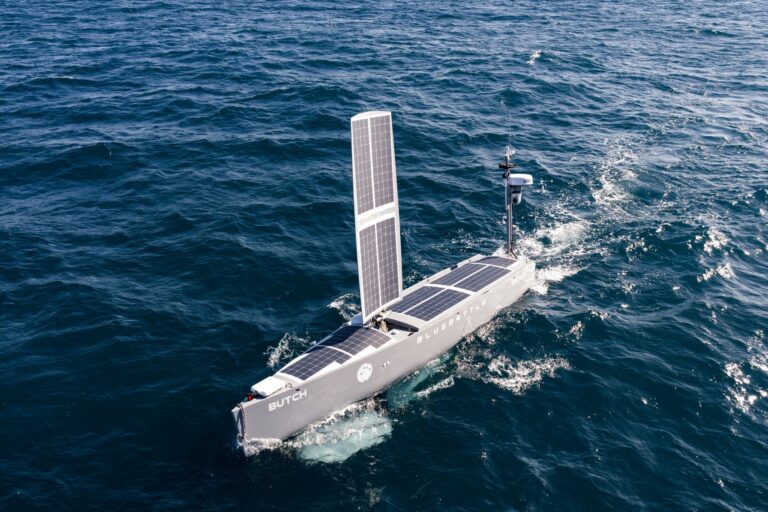 BoatsBluebottle – An Ocean Drone Powered by Sun, Wind and Waves
 3 WheelsNuna 3 – Delft’s Record Run at 102.75 km/h
 TrailerSolarTrails
 BoatsSolar Odyssey – A Solar-Electric Racing Trimaran
 4 WheelsSono Sion – The Solar Car for Everyone
 4 WheelsMaize & Blue – Michigan’s 1993 National Champion
 5+ WheelsMars rover Opportunity
 4 WheelsToyota RaRa II – A Solar Car Built to Lead Marathons
 2 Wheels · 3 WheelsThe Sun Trip – Crossing Continents on Solar Bikes
 BoatsWayward Sun – A Father and Son’s Solar Voyage to Alaska
 BoatsTûranor PlanetSolar – Around the World on Sunlight
 4 WheelsHySolarKit – Turning an Ordinary Car into a Solar Hybrid
 4 WheelsNuna 7 – Delft’s First Four-Wheeled World Champion
 3 Wheels · TrailerSolartaxi – The First Trip Around the World by Solar Car
 BoatsMS Staffelseerin – 137 km on One Battery Charge
 PlanesElektra One Solar – A Light Aircraft with Solar Wings
 3 WheelsStanford Luminos – 10,000 Safe Miles and 4th in the World
 4 WheelsSunswift 7 – 1,000 km on One Charge in Under 12 Hours
 2 WheelsNTS SunCycle – The Solar Cargo Bike
 4 WheelsSquad Solar City Car – A Solar Microcar for Everyday Errands
 BoatsAlstersonne – Hamburg’s Solar Boat on the Alster
 BoatsAditya – India’s First Solar Ferry
 PlanesGossamer Penguin – Pioneer of Piloted Solar Flight
 PlanesSolar Impulse 1 – The Prototype That Flew Through the Night
 4 WheelsGreen Lightning & Green Thunder – Top Dutch Solar Racing
 Planesicaré 2 – The Solar Glider from Stuttgart
 2 WheelsSola.Bike 2 person bike with solar roof
 3 WheelsOrganic Transit ELF – The Solar Velomobile
 3 WheelsCalSol Zephyr – Berkeley’s First Win After 27 Years
 BoatsMalt’s Mermaid – Across the Pacific on Sunlight
 4 WheelsLightyear 0 – The First Production Solar Car
 3 WheelsAurora 101 – Australia’s Home-Grown Solar Champion
 3 WheelsClean Motion Zbee – A 230 kg Electric Trike from Sweden
 5+ WheelsLunokhod 1 – The First Solar-Charged Rover on the Moon
 PlanesIngenuity – The Solar-Charged Helicopter That Flew on Mars
 PlanesSolarStratos – Climbing Toward the Stratosphere on Sunlight
 BoatsMobiCat – Switzerland’s Big Solar Lake Catamaran
 5+ WheelsLunokhod 2 – 39 km on the Moon, a Record for 41 Years
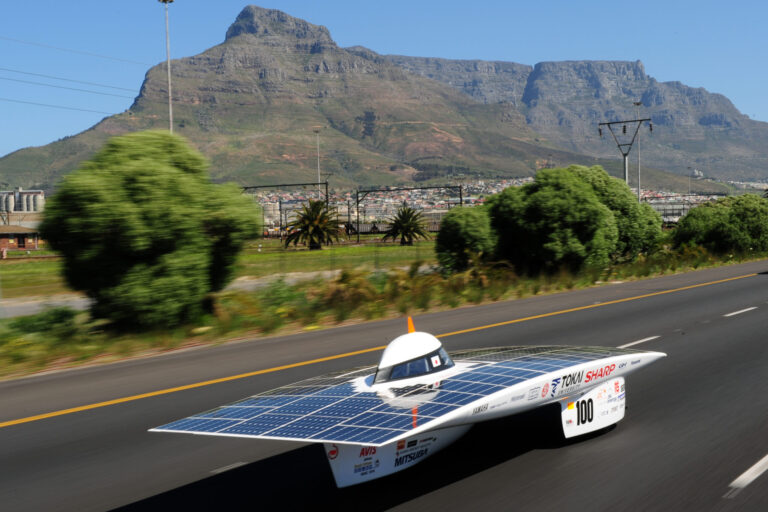 3 WheelsTokai Challenger – 100 km/h Across Australia on Sunlight
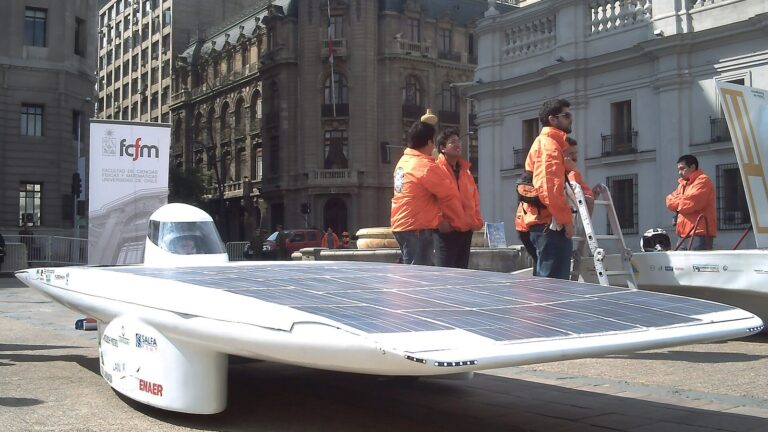 3 WheelsEolian 2 – Chile’s Solar Car from the Atacama to Australia
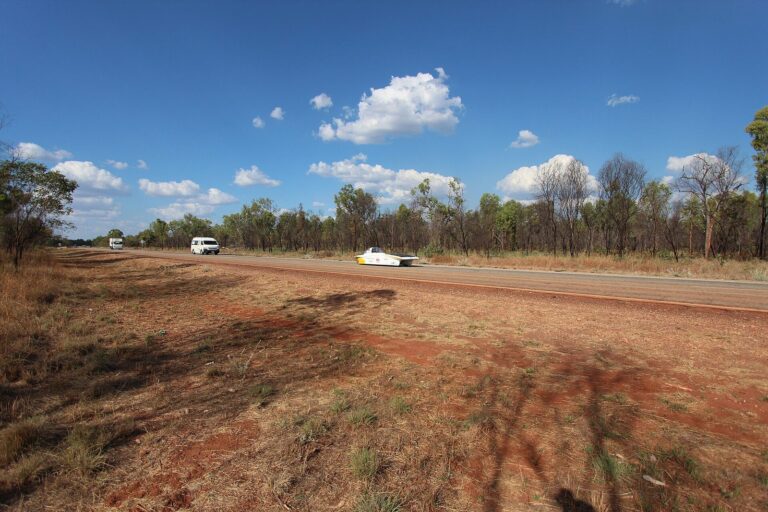 4 WheelsHuawei Sonnenwagen – Aachen’s Rookie Run Across Australia
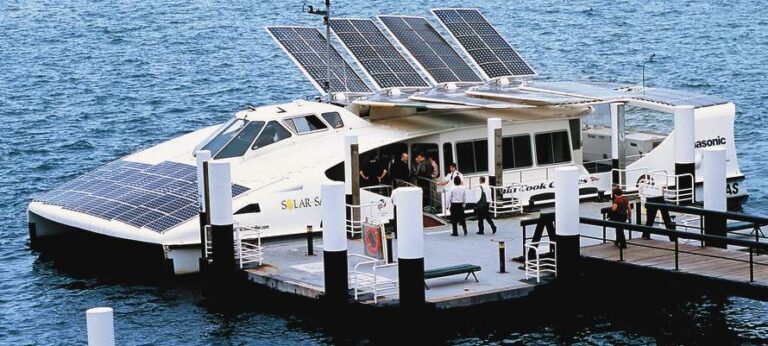 BoatsSolar Sailor – The Ferry with Solar Wings
 3 WheelsSunswift IVy – The Fastest Car on Pure Solar Power
 4 WheelsGM Sunraycer – Winner of the First World Solar Challenge