
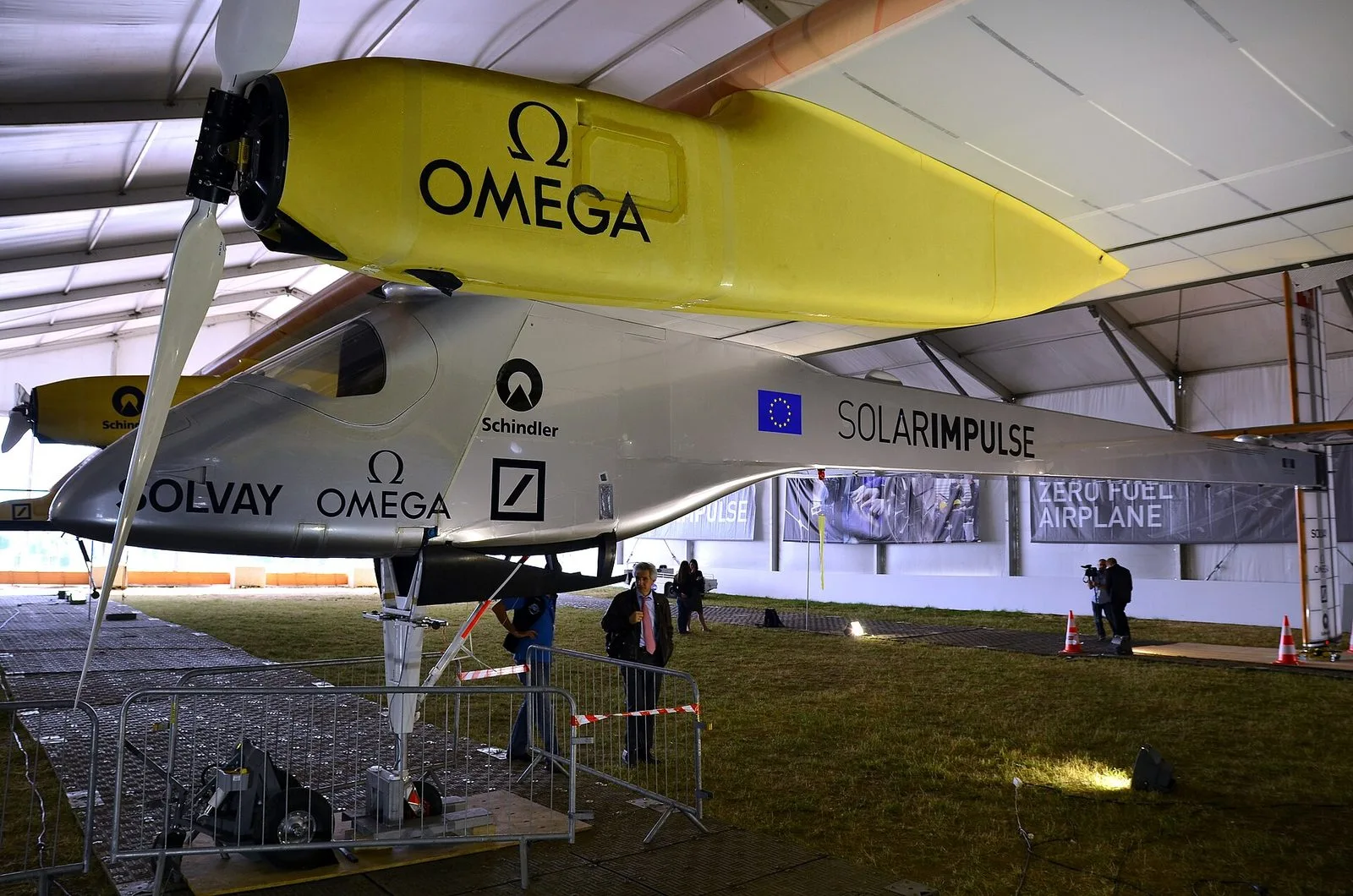
Everyone remembers Solar Impulse 2 and its flight around the world. But the adventure started with a prototype: Solar Impulse 1, registration HB-SIA. Its job was to answer one question. Can a solar-powered plane fly through the night, keeping enough energy in its batteries to see the next sunrise?
HB-SIA has a wingspan of 63.4 m, about the same as an Airbus A340, yet it weighs only about 1,600 kg. The upper wing and the tailplane carry 11,628 solar cells rated at about 45 kW peak. Under the wing hang four nacelles, each with a lithium polymer battery, a 7.5 kW electric motor and a 3.5 m propeller. To save weight, the structure is a carbon-fibre honeycomb sandwich. The plane cruises at only about 70 km/h, slower than a car on the motorway.
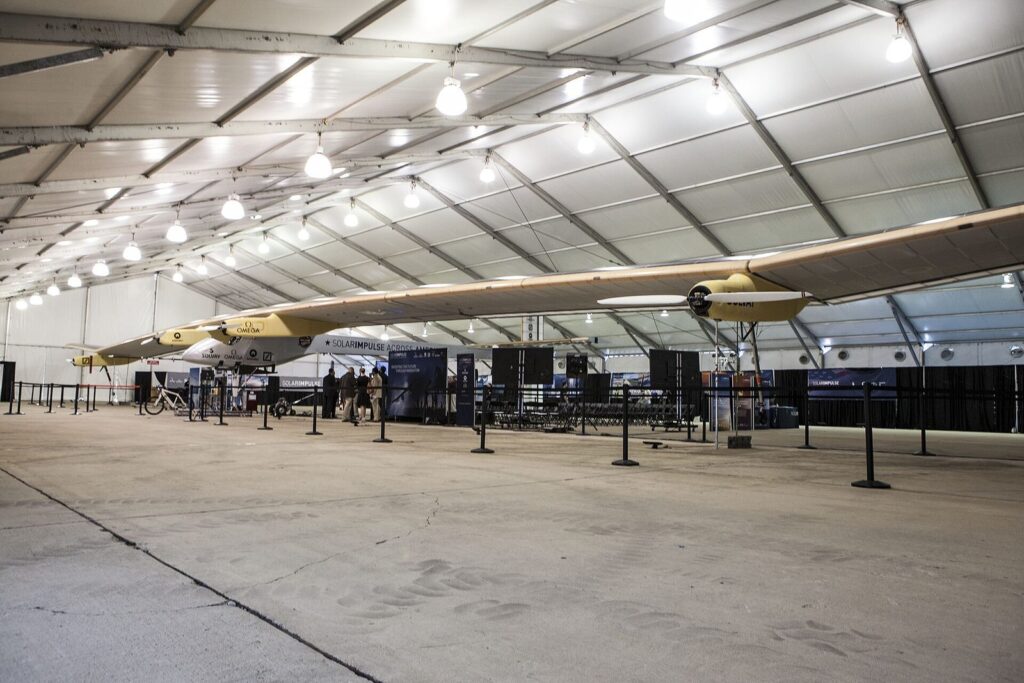
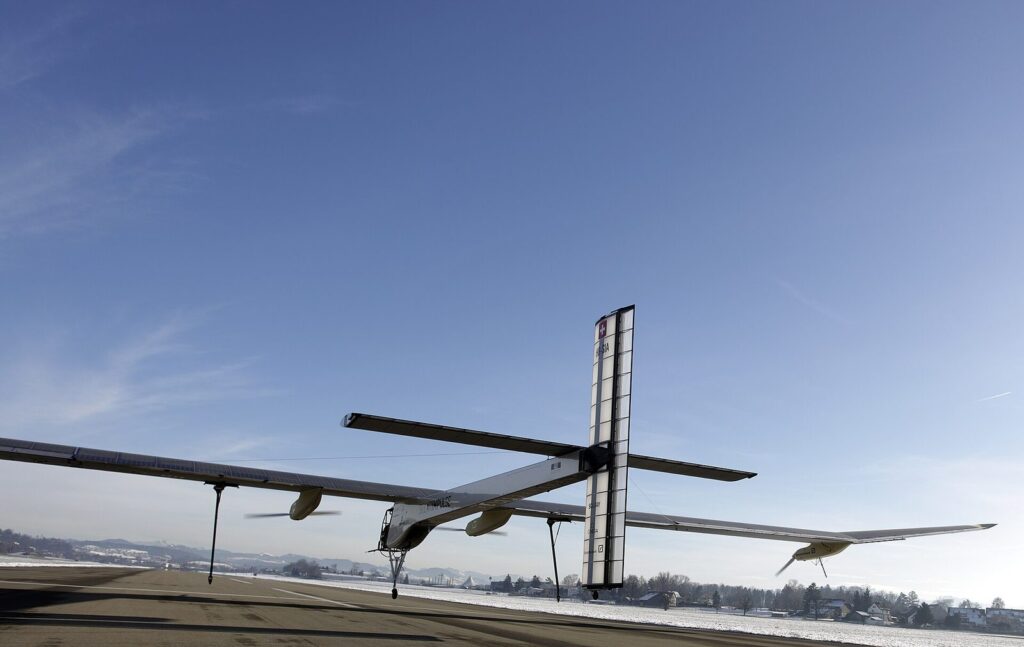
After the first short hop in December 2009, the big moment came in July 2010: pilot André Borschberg stayed airborne for 26 hours, including about nine hours in darkness, powered only by the sun. In 2012 the plane made its first intercontinental flight, from Madrid to Rabat in Morocco. On the way from Switzerland to Madrid it set records for the longest solar flight between declared waypoints (1,099 km). In 2013 Bertrand Piccard and Borschberg crossed the United States in several stages, from California to New York.
Everything learned with HB-SIA went into the bigger HB-SIB, which circled the globe in 2015–2016. Today the prototype is on display at the Cité des sciences et de l’industrie in Paris. It sits in a line of solar aircraft that started with tiny pioneers like the Gossamer Penguin and the Solair I.
Technical data
| Builder | Solar Impulse SA (Bertrand Piccard, André Borschberg), Switzerland |
|---|---|
| Registration | HB-SIA (first flight 2009) |
| Wingspan | 63.4 m |
| Weight | ~1,600 kg |
| Solar | 11,628 cells, ~45 kW peak |
| Motors | 4 × 7.5 kW, 3.5 m propellers |
| Battery | Lithium polymer, ~21 kWh |
| Cruise speed | ~70 km/h |
| Milestones | 26-hour day-and-night flight (2010), Madrid–Rabat (2012), across the USA (2013) |
Photos
- Top photo: David Lapetina / Wikimedia Commons, CC BY-SA 3.0
- HB-SIA during its US tour, after landing in Washington, D.C.… Photo: ENERGY.GOV / Wikimedia Commons, Public domain
- The very first "flea hop" in Dübendorf on 3 December 2009. Photo: Matth1 / Wikimedia Commons, CC BY-SA 3.0
Sources
Keep exploringMore solar projects
 BoatsEnergy Observer – Sun, Wind and Hydrogen at Sea
 4 WheelsGM Sunraycer – Winner of the First World Solar Challenge
 BoatsSerpentine Solar Shuttle – London’s Solar Boat in Hyde Park
 4 WheelsVenturi Eclectic – The Sun-and-Wind City Car from Monaco
 BoatsMobiCat – Switzerland’s Big Solar Lake Catamaran
 3 WheelsAurora 101 – Australia’s Home-Grown Solar Champion
 4 WheelsARI 458 Solar – An Electric Micro-Van That Charges Itself
 Trailerthe Tin Tent
 4 WheelsSolarWorld GT – Around the World in a Solar Car
 BoatsAditya – India’s First Solar Ferry
 3 WheelsSunswift IVy – The Fastest Car on Pure Solar Power
 BoatsTU Delft Solar Boat – Flying Over Water on Hydrofoils
 4 WheelsSolar Buzz – A DIY Solar Bus for a Small Town
 BoatsSunCat 120 – Berlin’s Solar Catamaran on the Spree
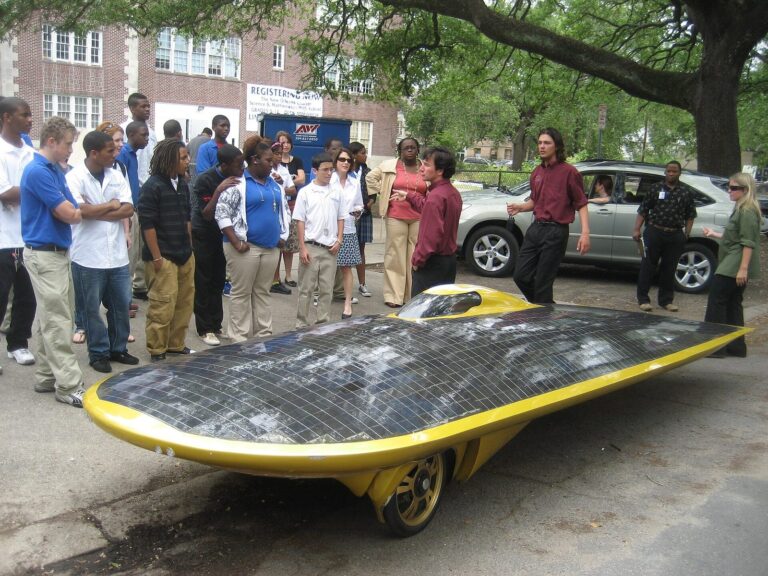 3 WheelsXOF1 – Marcelo da Luz’s Solar Car to the Arctic Ocean
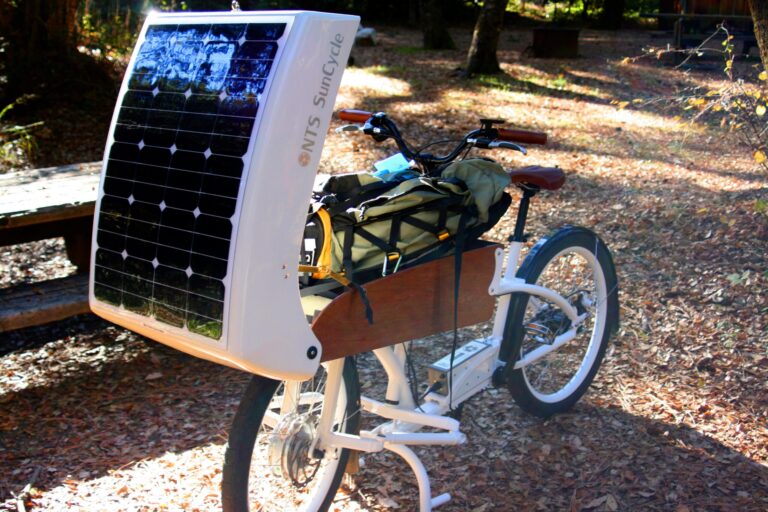 2 WheelsNTS SunCycle – The Solar Cargo Bike
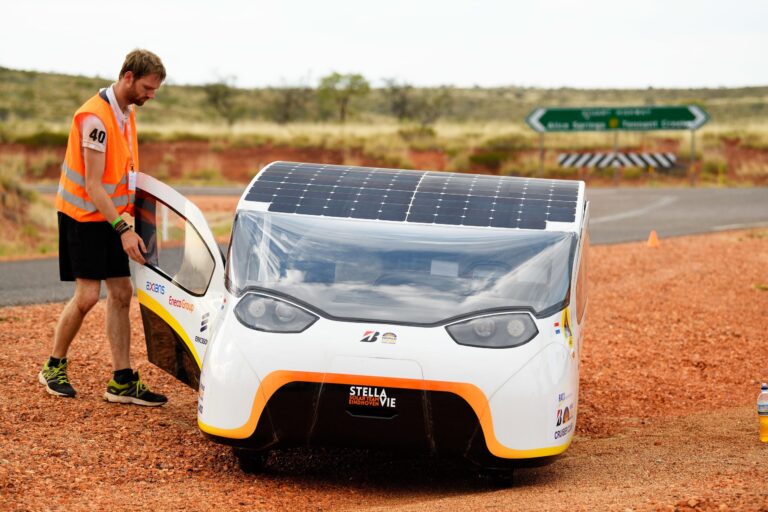 4 WheelsStella Vie – The Solar Family Car from Eindhoven
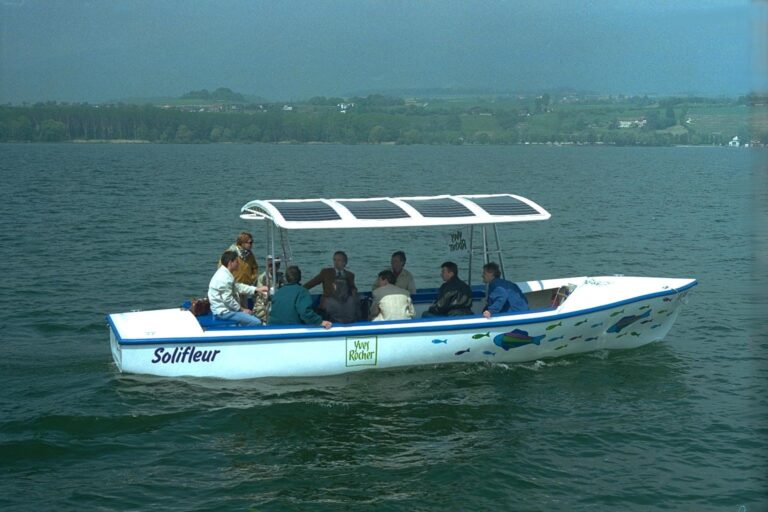 BoatsSolifleur – One of the First Solar Passenger Boats
 4 WheelsStella Vita – A Solar-Powered House on Wheels
 5+ WheelsLunokhod 1 – The First Solar-Charged Rover on the Moon
 4 WheelsSono Sion – The Solar Car for Everyone
 4 WheelsVéLorean – A Side-by-Side Solar Tandem Quad
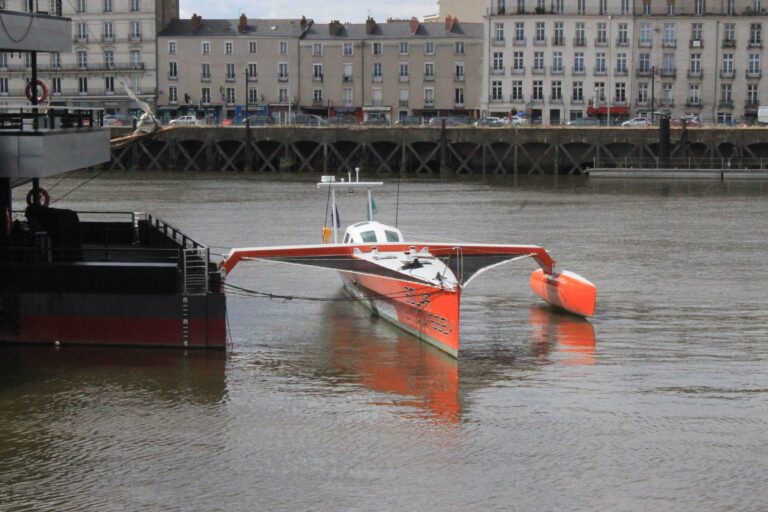 BoatsSolar Odyssey – A Solar-Electric Racing Trimaran
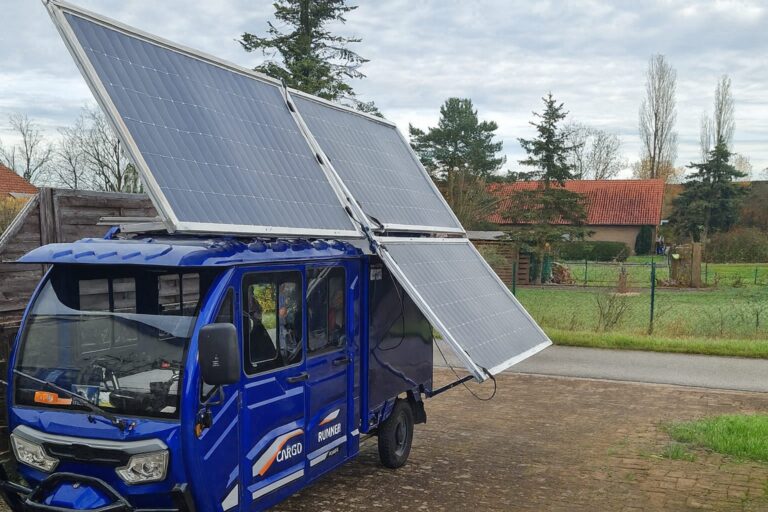 3 WheelsSolarcamper
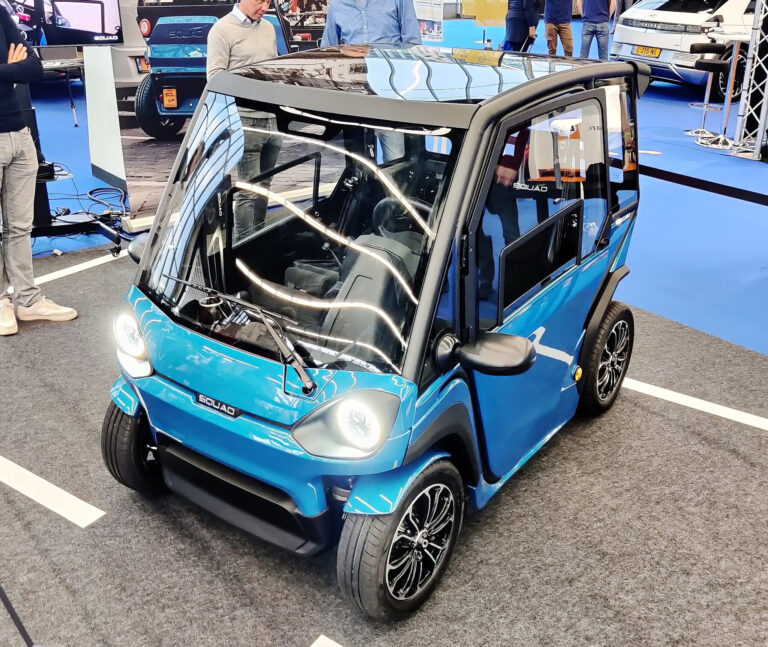 4 WheelsSquad Solar City Car – A Solar Microcar for Everyday Errands
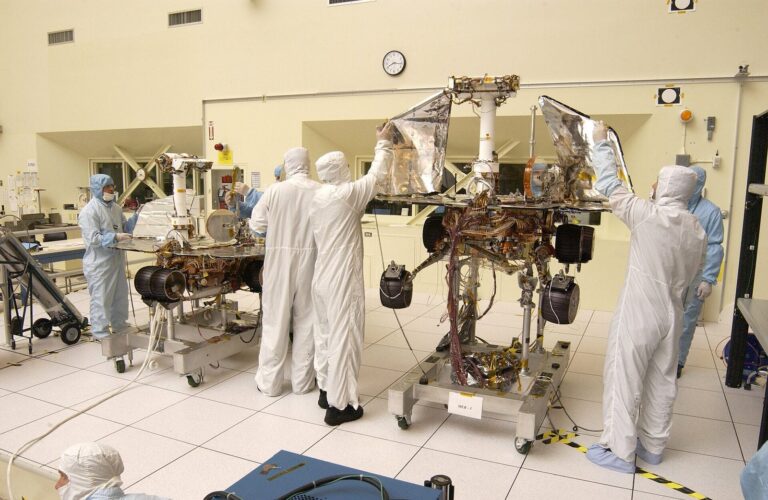 5+ WheelsSpirit – The Solar Rover That Lasted 20 Times Longer Than Planned
 PlanesSolar Riser – The First Human Flight on Solar Power (1979)
 Planesicaré 2 – The Solar Glider from Stuttgart
 4 WheelsHuawei Sonnenwagen – Aachen’s Rookie Run Across Australia
 BoatsAltaussee – Austria’s First Solar Passenger Ship
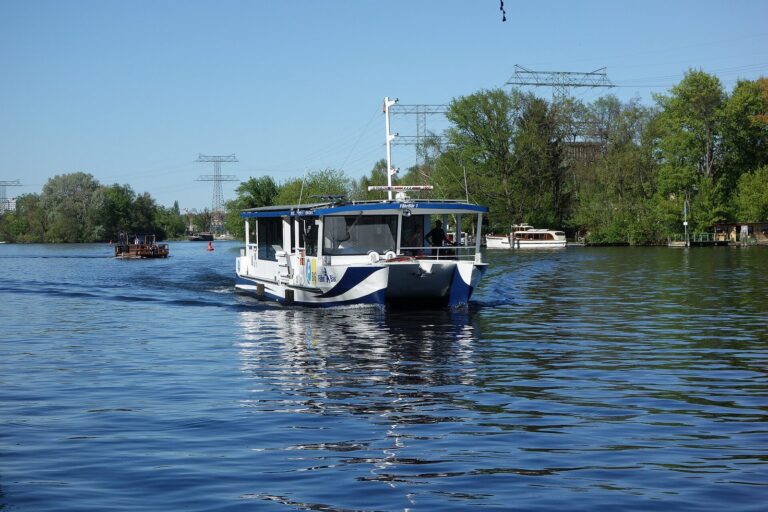 BoatsFährBär – Berlin’s Solar Ferries
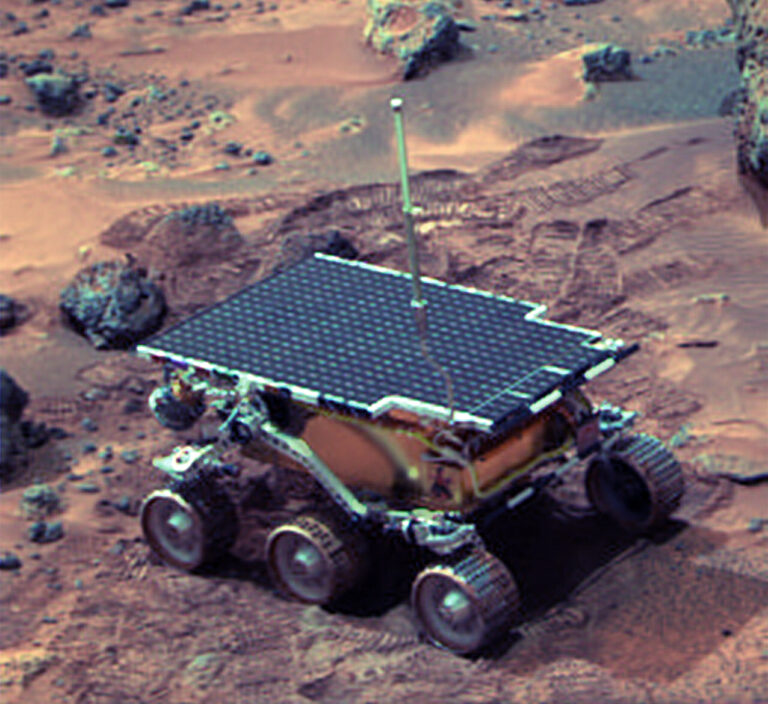 5+ WheelsSojourner – The First Solar Rover on Mars
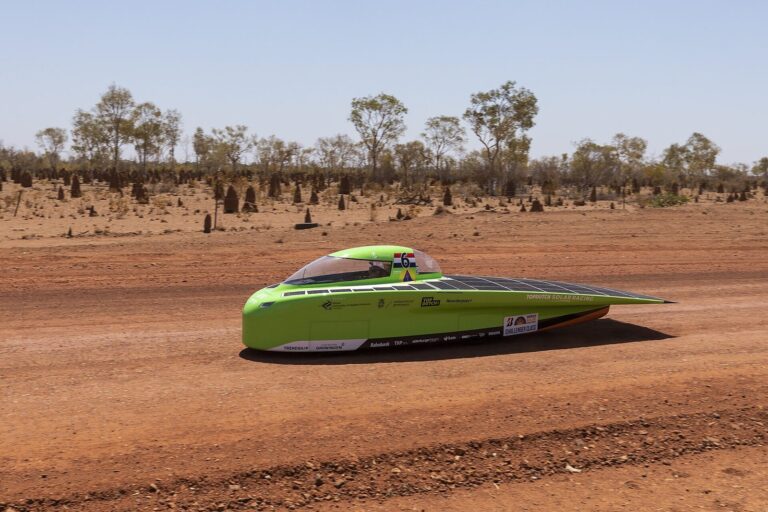 4 WheelsGreen Lightning & Green Thunder – Top Dutch Solar Racing
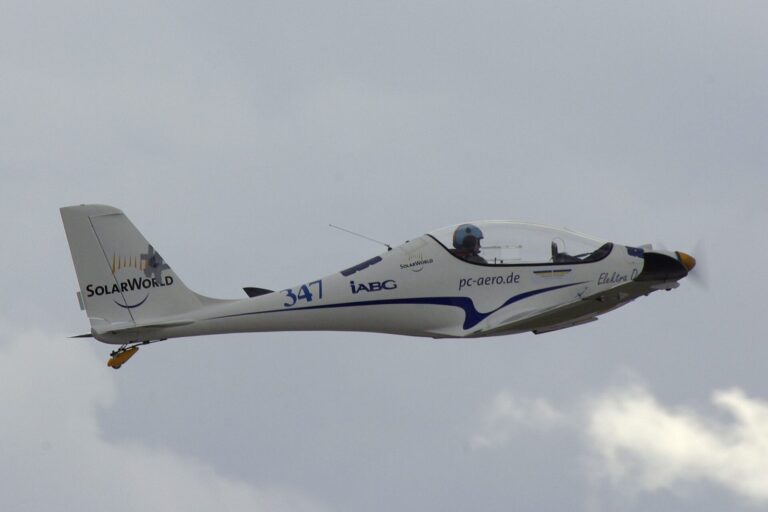 PlanesElektra One Solar – A Light Aircraft with Solar Wings
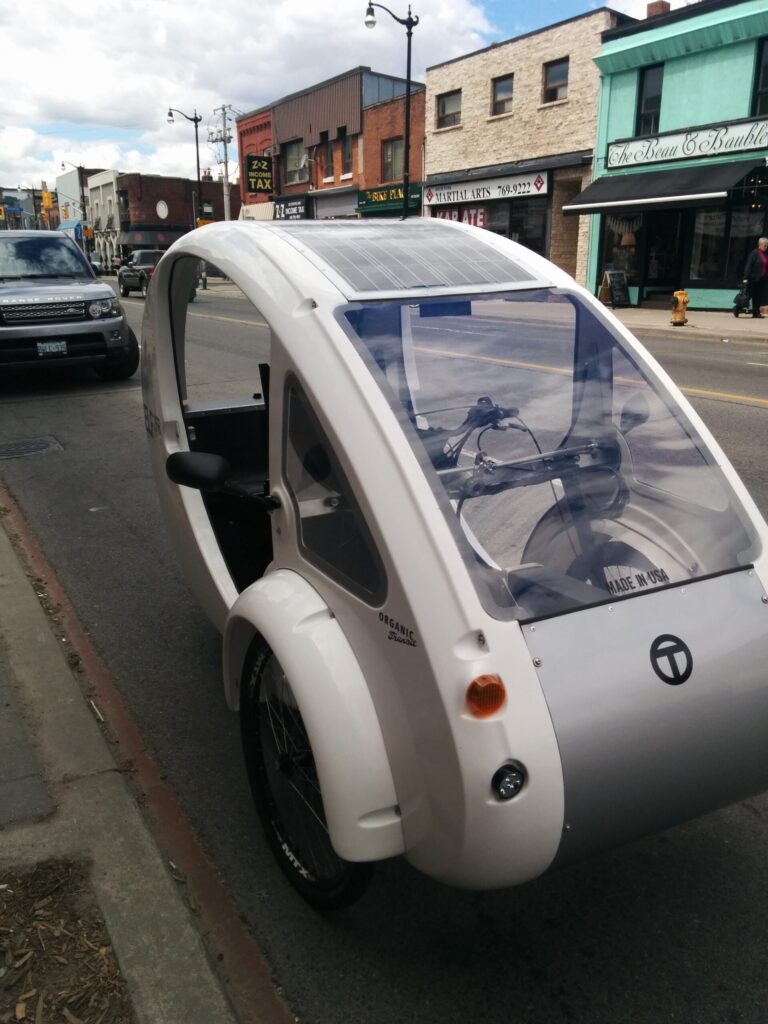 3 WheelsOrganic Transit ELF – The Solar Velomobile
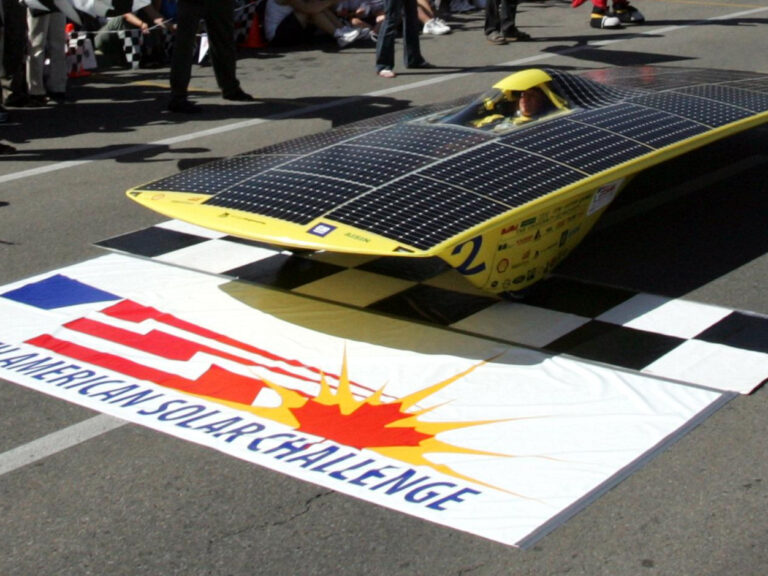 3 WheelsMomentum – Michigan’s Three-Wheeled Solar Champion
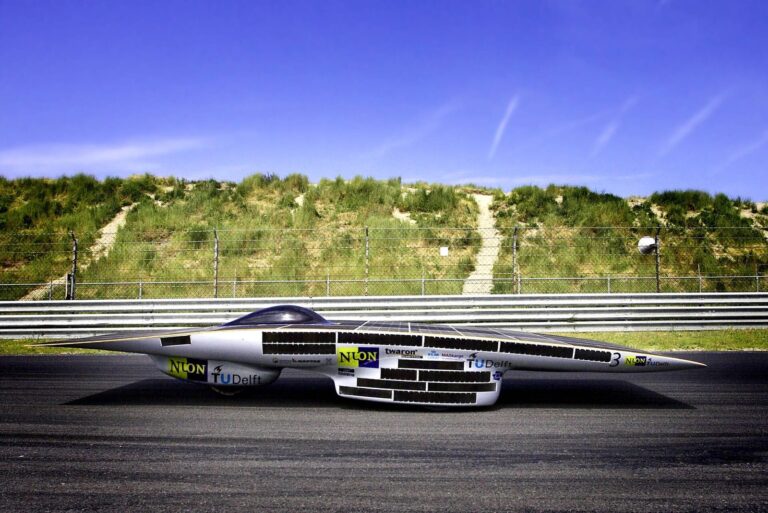 3 WheelsNuna 3 – Delft’s Record Run at 102.75 km/h
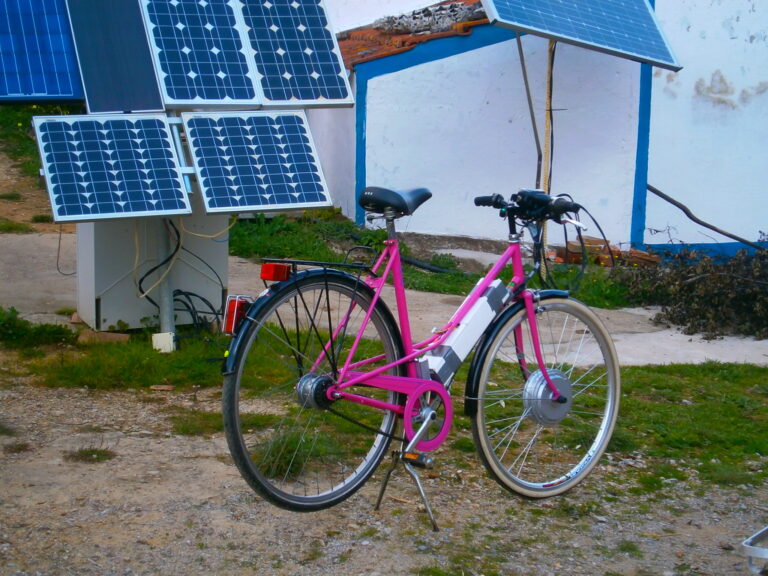 2 WheelsDIY Off-Grid Solar E-Bike by Andreas Lemmer
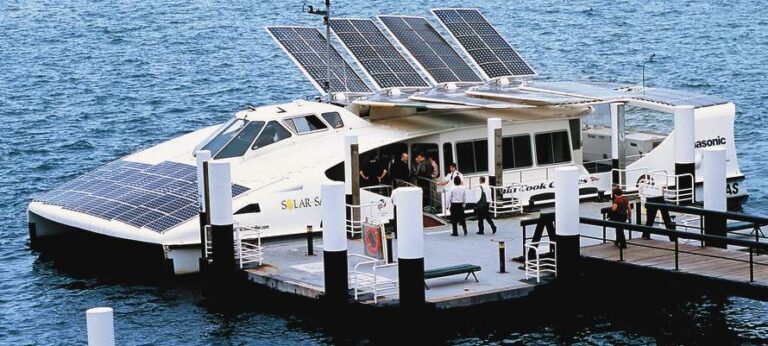 BoatsSolar Sailor – The Ferry with Solar Wings
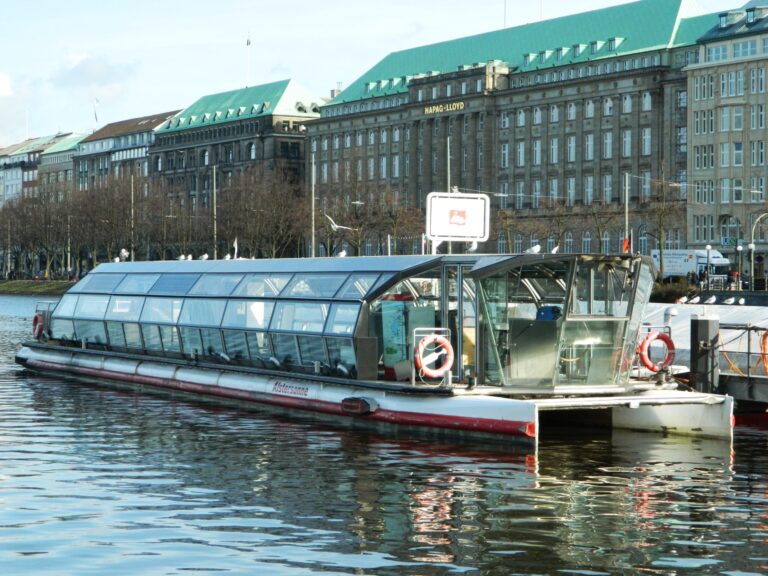 BoatsAlstersonne – Hamburg’s Solar Boat on the Alster
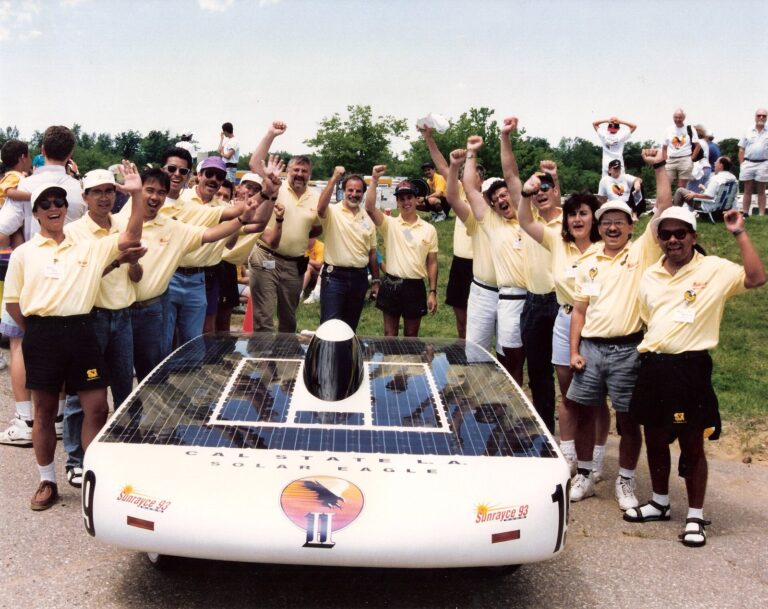 3 WheelsSolar Eagle II – Cal State LA’s Pole-Position Racer
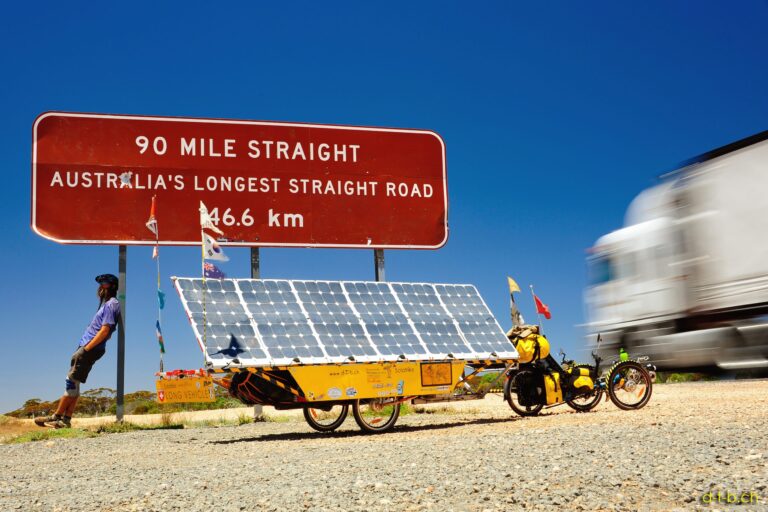 5+ Wheels · TrailerSolatrike II
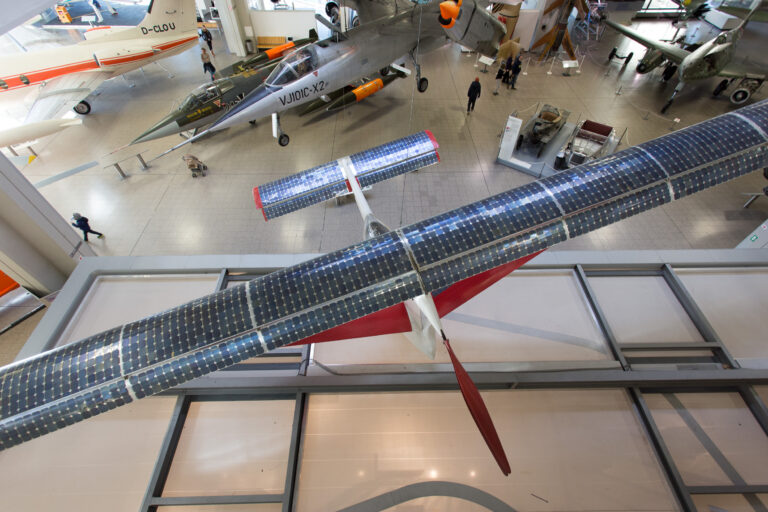 PlanesSolair I – Germany’s Solar Aircraft Pioneer
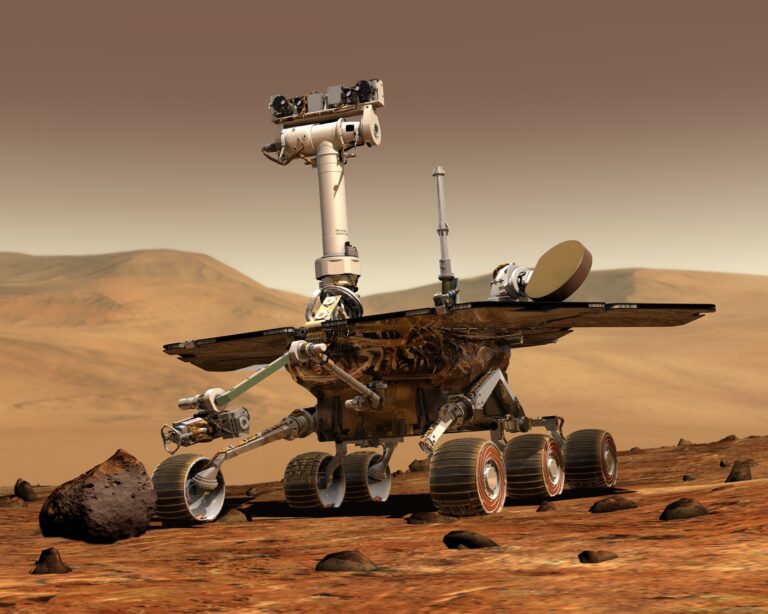 5+ WheelsMars rover Opportunity
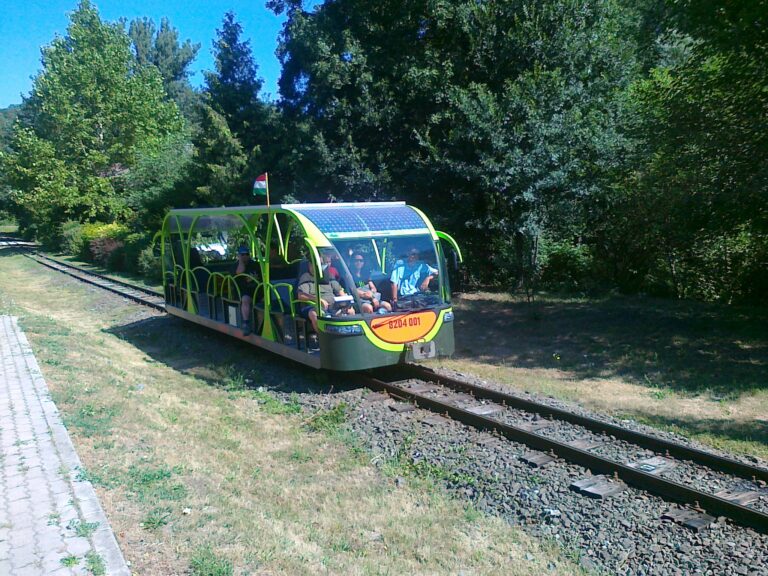 5+ WheelsKirályrét Solar Railcar – A Forest Train Running on Sunshine
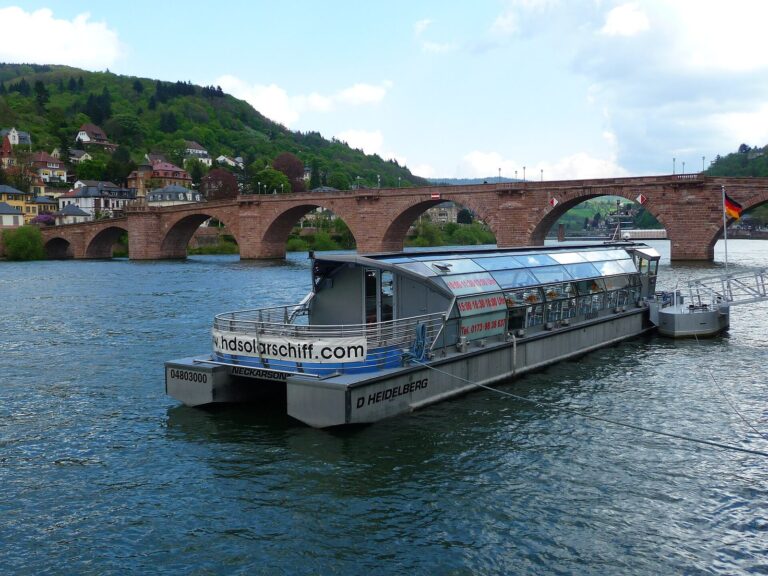 BoatsNeckarsonne – Heidelberg’s Big Solar Catamaran
 4 WheelsStella Lux – The Energy-Positive Family Car
 PlanesSolar Impulse 2 – Flying Around the World on Sunlight
 5+ WheelsLunokhod 2 – 39 km on the Moon, a Record for 41 Years
 3 WheelsTokai Challenger – 100 km/h Across Australia on Sunlight
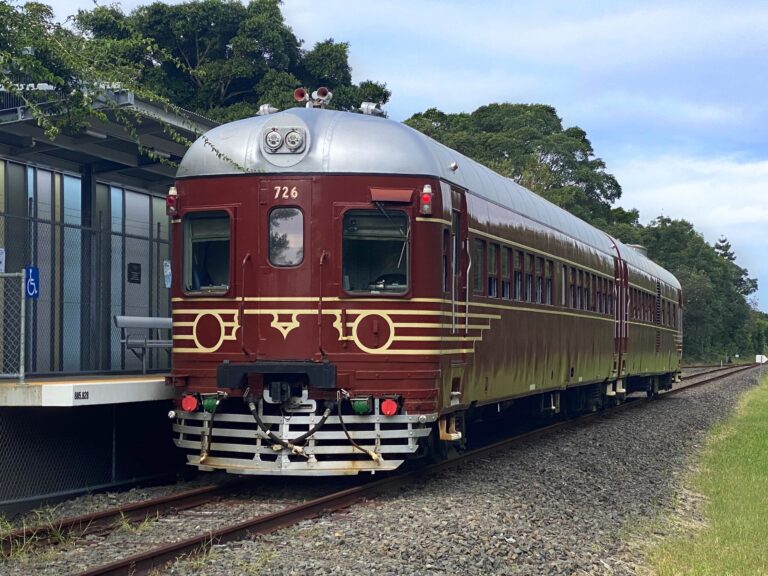 5+ WheelsByron Bay Solar Train – The First Solar-Powered Passenger Train
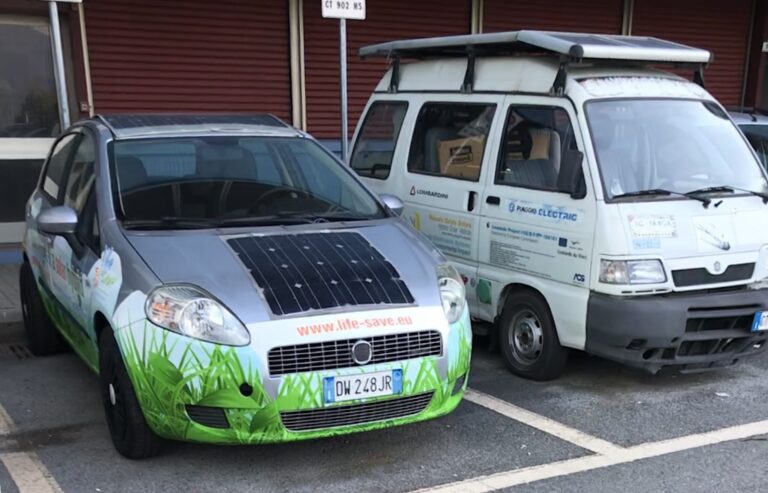 4 WheelsHySolarKit – Turning an Ordinary Car into a Solar Hybrid
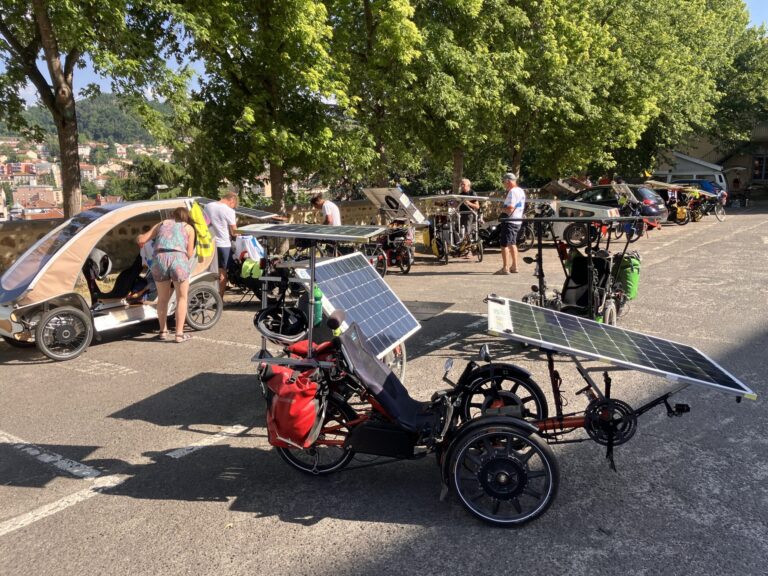 2 Wheels · 3 WheelsThe Sun Trip – Crossing Continents on Solar Bikes
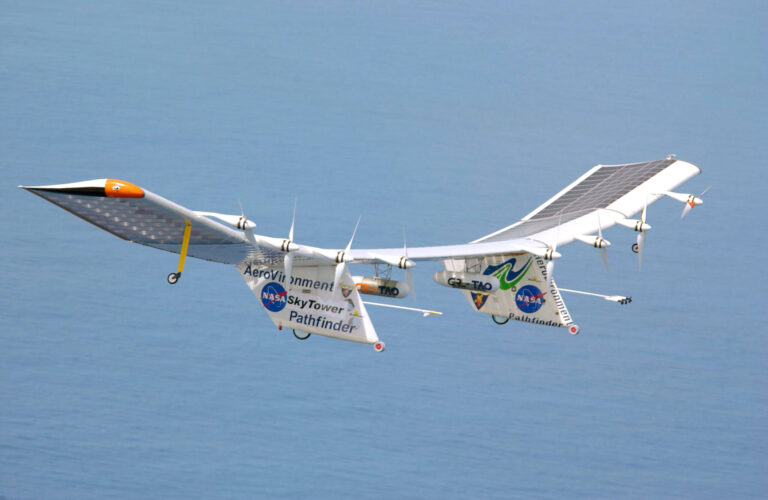 PlanesPathfinder-Plus – Solar Wing Record at 80,201 Feet
 PlanesSunseeker II – First Solar Plane Across the Alps
 BoatsWayward Sun – A Father and Son’s Solar Voyage to Alaska
 3 WheelsEolian 2 – Chile’s Solar Car from the Atacama to Australia
 4 WheelsNuna 7 – Delft’s First Four-Wheeled World Champion
 BoatsOrca ten Broke – Berlin’s Solar Seminar Ship
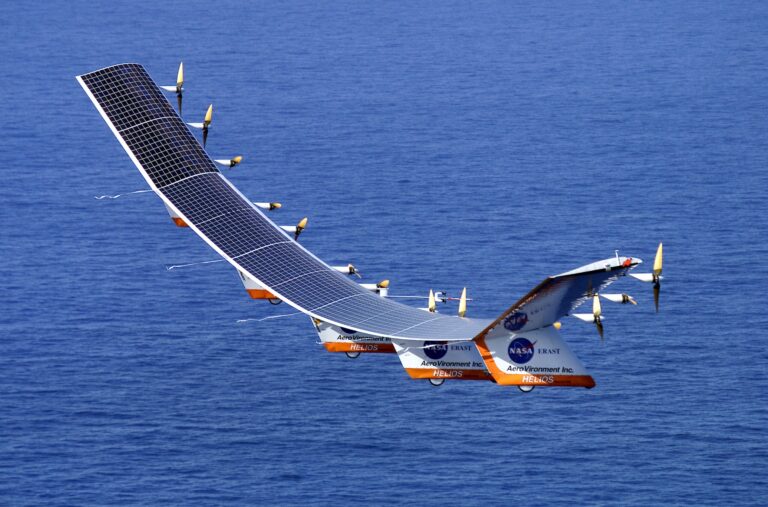 PlanesNASA Helios – The Solar Wing That Flew to 29 km
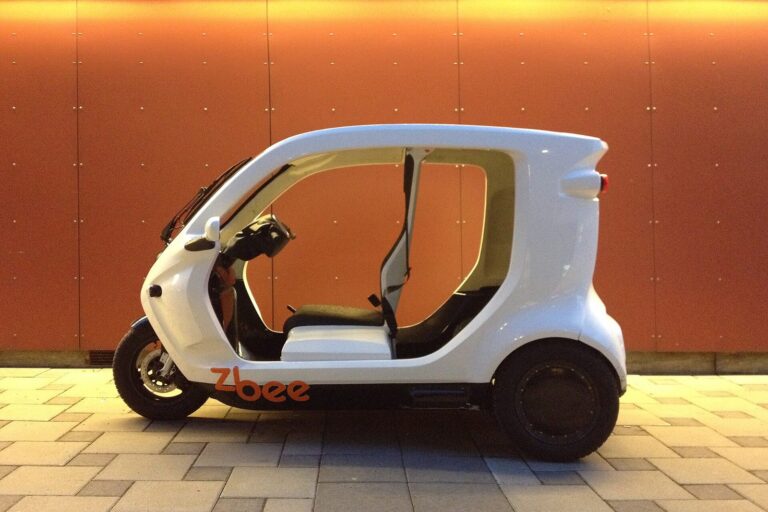 3 WheelsClean Motion Zbee – A 230 kg Electric Trike from Sweden
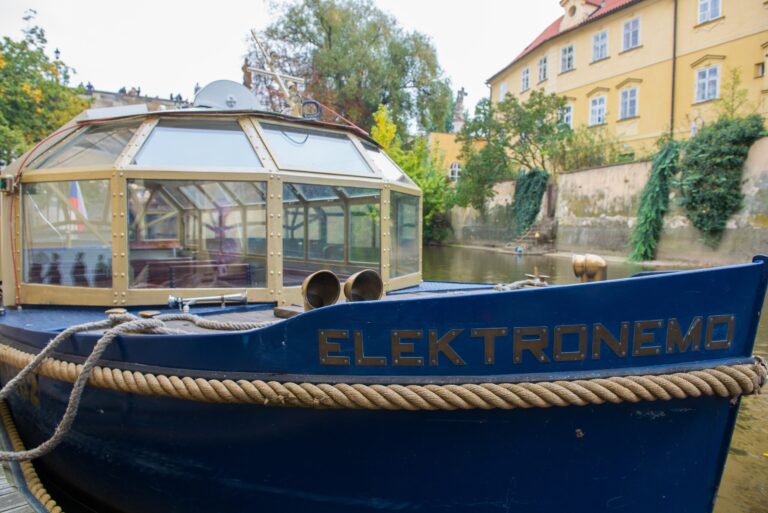 BoatsElektronemo – Prague’s Solar Boat in the Devil’s Channel
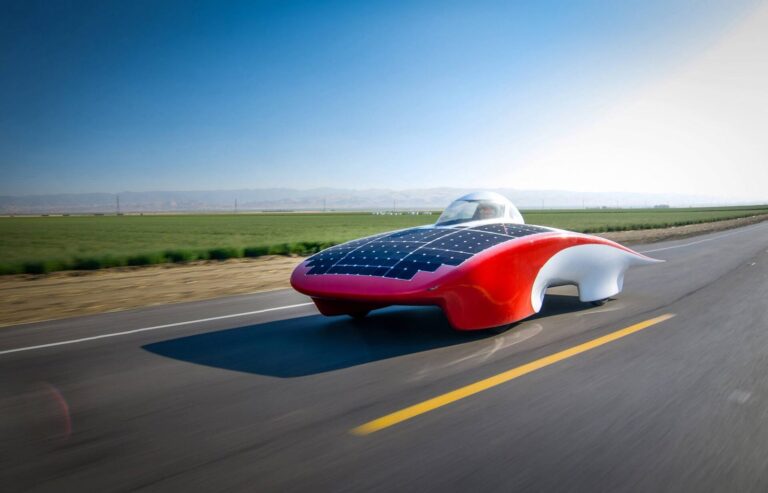 3 WheelsStanford Luminos – 10,000 Safe Miles and 4th in the World
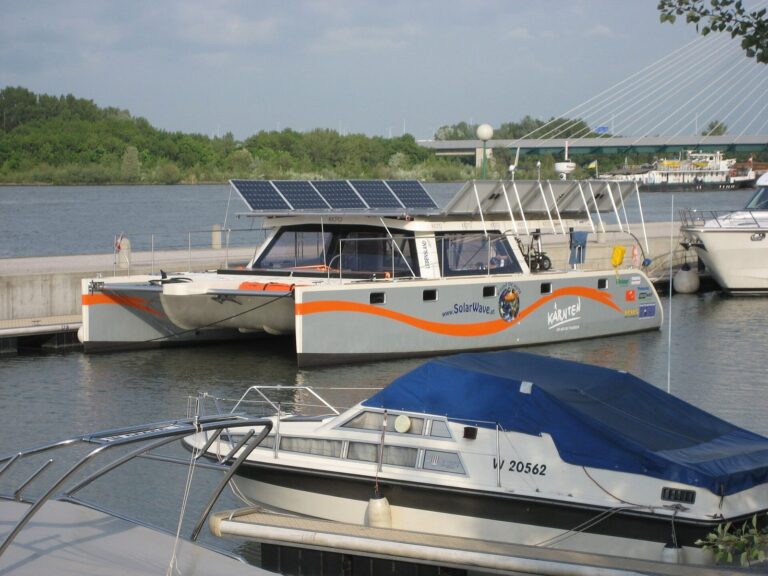 BoatsSolarWave – A Solar Yacht with Four Cabins
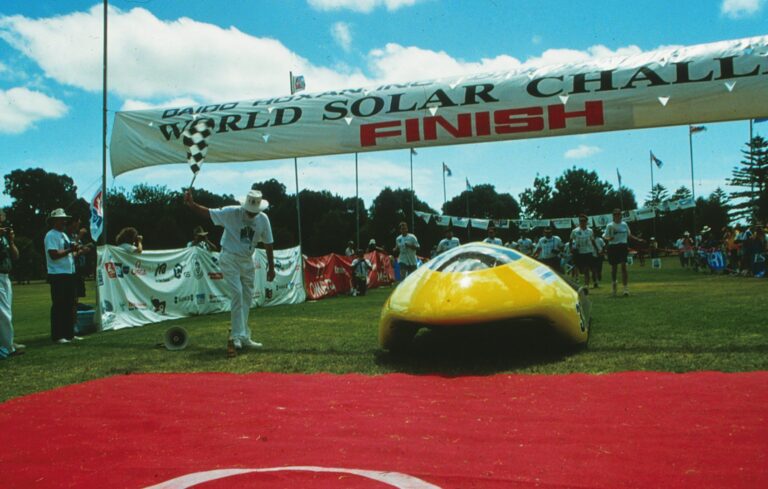 4 WheelsMaize & Blue – Michigan’s 1993 National Champion
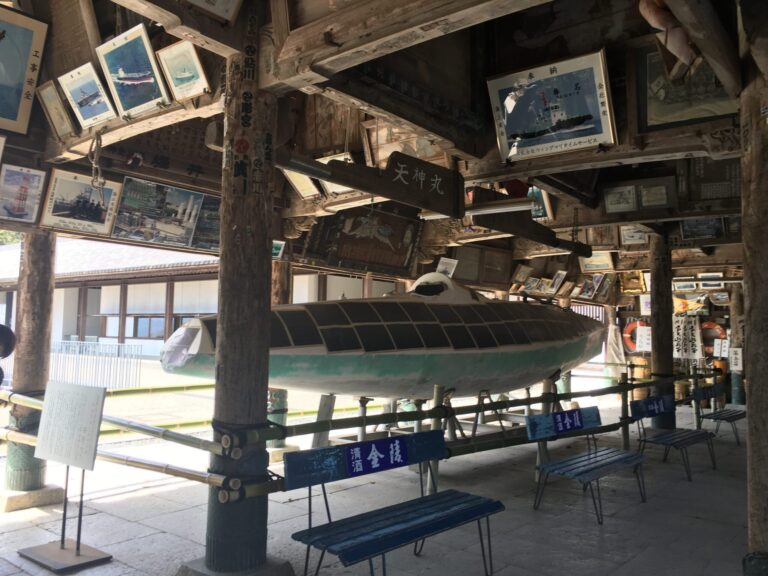 BoatsMalt’s Mermaid – Across the Pacific on Sunlight
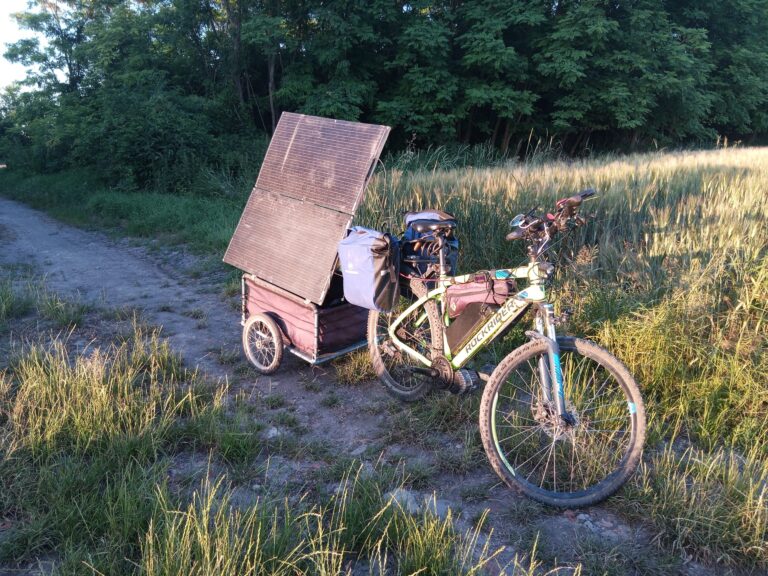 TrailerSolarTrails
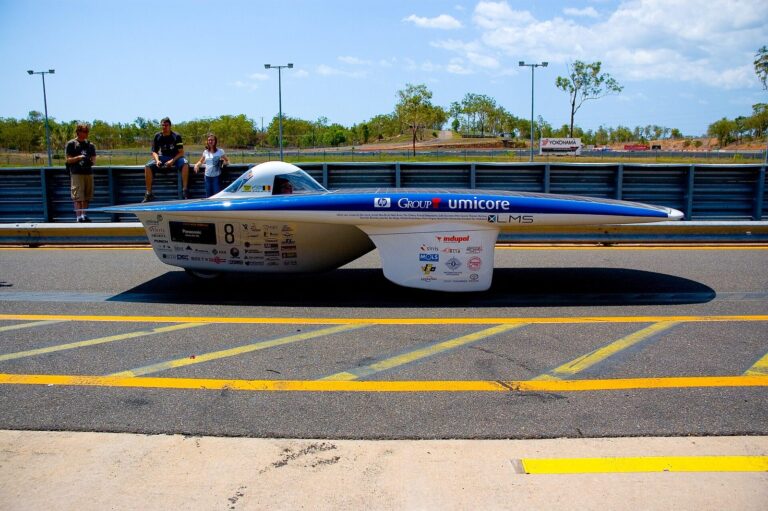 3 WheelsUmicar Infinity – Belgium’s Runner-Up in the Outback
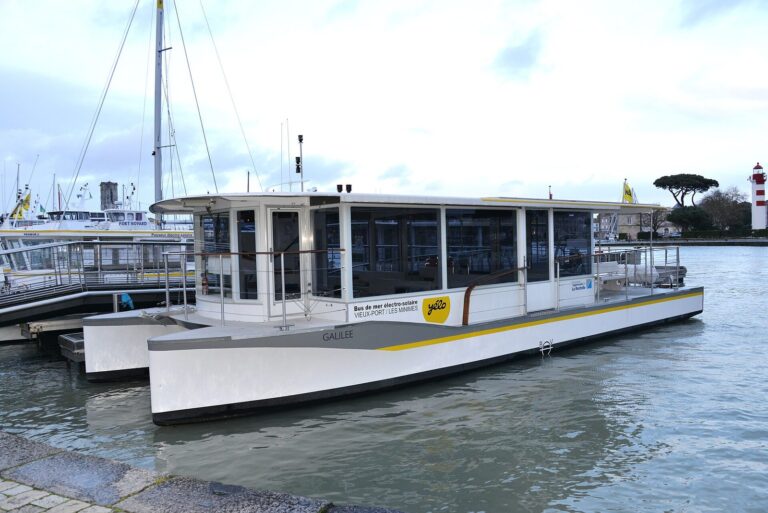 BoatsGalilée & Copernic – La Rochelle’s Solar Sea Buses
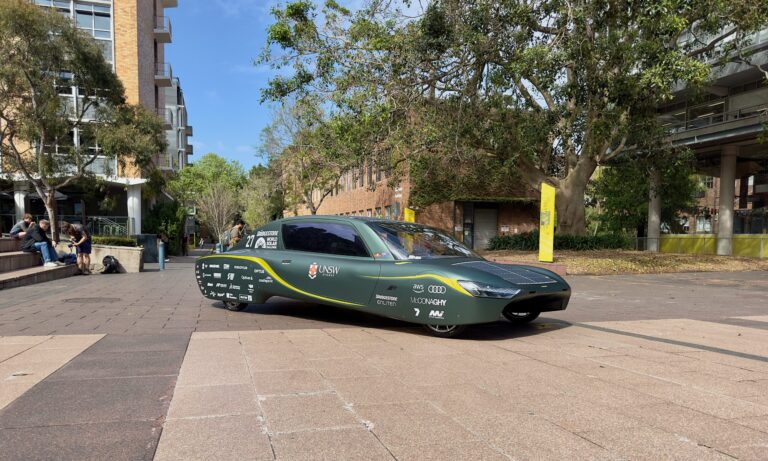 4 WheelsSunswift 7 – 1,000 km on One Charge in Under 12 Hours