
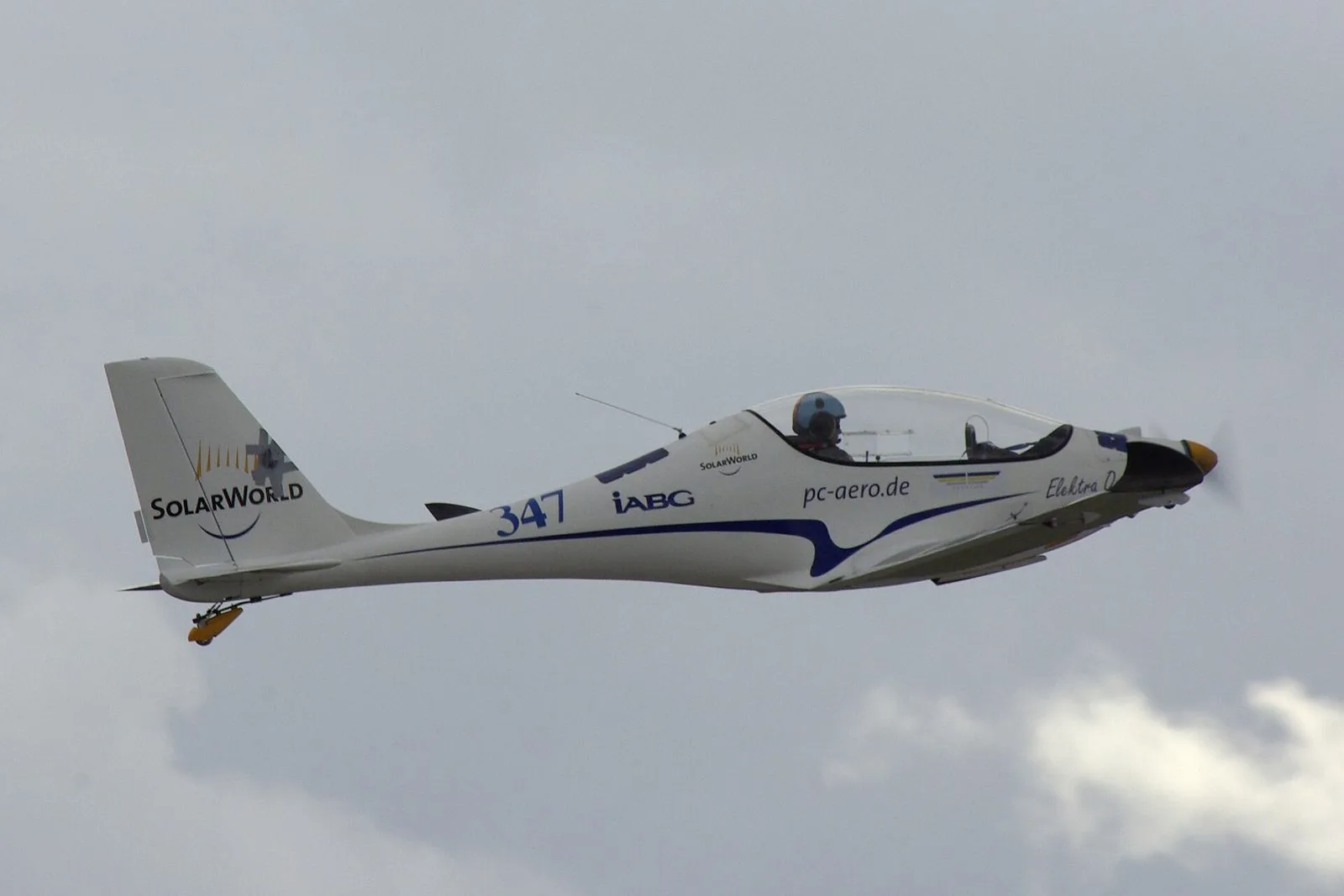
Most solar aircraft on our site are giant experimental wings like Helios or Solar Impulse. The Elektra One is different: a small, single-seat sport aircraft that a private pilot could actually own. Its designer, Calin Gologan of the German company PC-Aero, wanted to show that personal flying can be electric and solar-charged.
The Elektra One first flew on 21 March 2011, using about 3 kW in cruise. The carbon-fibre aircraft has an empty weight of only about 100 kg, a wingspan of 8.6 m and an endurance of about three hours. In 2011 it won the Lindbergh electric aircraft prize at the EAA AirVenture show in Oshkosh. The original concept was to charge it from solar hangars, with the surplus fed into the grid. It was developed with support from Solar Hangar and SolarWorld.
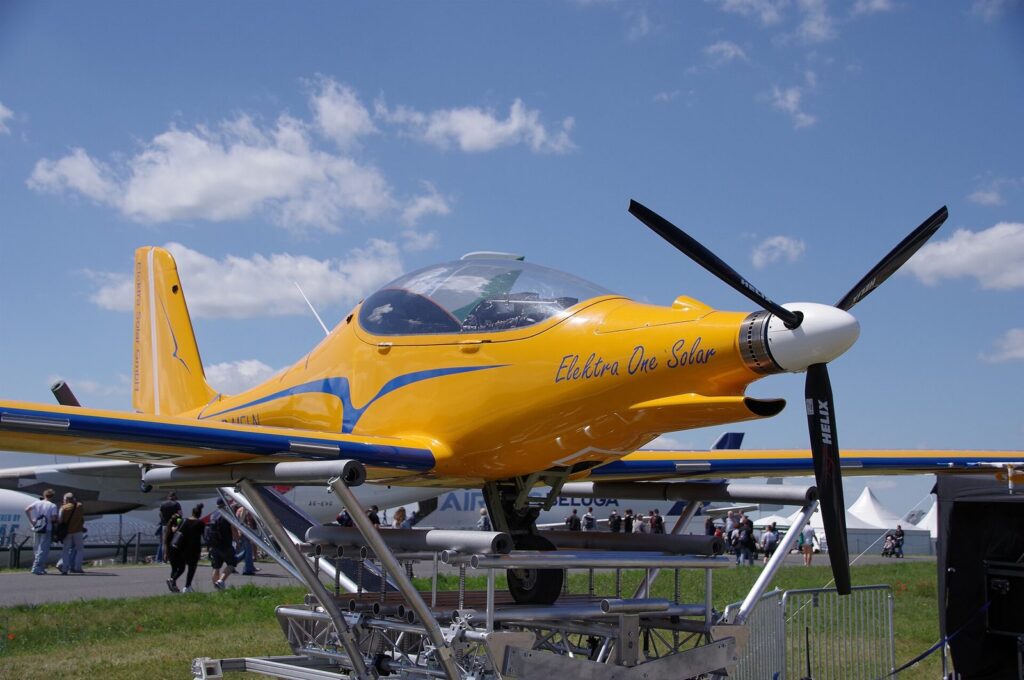
The next step was the Elektra One Solar. Together with the prototype specialists of Neowings and engineering students from the University of Augsburg, Gologan put solar cells on the upper surfaces of the wings, the tailplane and the fuselage. According to the designer, they can provide up to 50% of the energy, giving a range of up to about 1,000 km (540 nautical miles). Parked in the sun, the plane can recharge a fully drained battery in about two hours. Its 22 hp (16 kW) motor allows cruise speeds of up to 100 knots, and with the engine off it glides at a ratio of about 30:1. By April 2012 the prototype had logged about 20 flight hours.
The registration D-MELN seen in both photos shows it is the same aircraft, flying under the PC-Aero name in 2012 and as an Elektra Solar aircraft in 2024. For the story of the first person ever to fly on solar power, see the Solar Riser.
Technical data
| Designer | Calin Gologan, PC-Aero / Elektra Solar (Germany) |
|---|---|
| First flight | 21 March 2011 (Elektra One) |
| Type | Single-seat electric light aircraft, carbon fibre |
| Empty weight | ~100 kg |
| Wingspan | 8.6 m (Elektra One) |
| Motor | ~16 kW (22 hp) |
| Solar (Elektra One Solar) | Cells on wings, tailplane and fuselage, up to ~50% of energy; ~2 h solar recharge on the ground |
| Performance | Up to 100 kn cruise, glide ratio ~30:1, range up to ~1,000 km |
| Award | Lindbergh electric aircraft prize 2011 |
Photos
- Top photo: André Gerwing / Wikimedia Commons, CC BY-SA 4.0
- The Elektra One Solar D-MELN in 2024, now under the Elektra… Photo: André Gerwing / Wikimedia Commons, CC BY-SA 4.0
Sources
Keep exploringMore solar projects
 3 WheelsEolian 2 – Chile’s Solar Car from the Atacama to Australia
 4 WheelsStella Vita – A Solar-Powered House on Wheels
 4 WheelsLightyear 0 – The First Production Solar Car
 4 WheelsStella Lux – The Energy-Positive Family Car
 2 Wheels · 3 WheelsThe Sun Trip – Crossing Continents on Solar Bikes
 3 WheelsOrganic Transit ELF – The Solar Velomobile
 BoatsTûranor PlanetSolar – Around the World on Sunlight
 Trailerthe Tin Tent
 2 WheelsNTS SunCycle – The Solar Cargo Bike
 3 WheelsSolarcamper
 4 WheelsGreen Lightning & Green Thunder – Top Dutch Solar Racing
 5+ WheelsByron Bay Solar Train – The First Solar-Powered Passenger Train
 BoatsWayward Sun – A Father and Son’s Solar Voyage to Alaska
 BoatsEnergy Observer – Sun, Wind and Hydrogen at Sea
 BoatsTU Delft Solar Boat – Flying Over Water on Hydrofoils
 BoatsSolifleur – One of the First Solar Passenger Boats
 BoatsMS Staffelseerin – 137 km on One Battery Charge
 5+ WheelsSojourner – The First Solar Rover on Mars
 3 WheelsCalSol Zephyr – Berkeley’s First Win After 27 Years
 3 WheelsUmicar Infinity – Belgium’s Runner-Up in the Outback
 BoatsAltaussee – Austria’s First Solar Passenger Ship
 4 WheelsHuawei Sonnenwagen – Aachen’s Rookie Run Across Australia
 5+ Wheels · TrailerSolatrike II
 PlanesSolair I – Germany’s Solar Aircraft Pioneer
 4 WheelsToyota RaRa II – A Solar Car Built to Lead Marathons
 3 WheelsNuna 3 – Delft’s Record Run at 102.75 km/h
 4 WheelsStella Vie – The Solar Family Car from Eindhoven
 BoatsElektronemo – Prague’s Solar Boat in the Devil’s Channel
 BoatsFährBär – Berlin’s Solar Ferries
 2 WheelsDIY Off-Grid Solar E-Bike by Andreas Lemmer
 BoatsSolaaris – Münster’s Solar Water Bus on the Aasee
 PlanesSolar Impulse 1 – The Prototype That Flew Through the Night
 4 WheelsSunswift 7 – 1,000 km on One Charge in Under 12 Hours
 3 WheelsXOF1 – Marcelo da Luz’s Solar Car to the Arctic Ocean
 4 WheelsMercedes-Benz / Alpha Real – Winner of the First Solar Car Race
 4 WheelsSolar Buzz – A DIY Solar Bus for a Small Town
 4 WheelsVéLorean – A Side-by-Side Solar Tandem Quad
 3 WheelsAurora 101 – Australia’s Home-Grown Solar Champion
 PlanesIngenuity – The Solar-Charged Helicopter That Flew on Mars
 4 WheelsSolarWorld GT – Around the World in a Solar Car
 Planesicaré 2 – The Solar Glider from Stuttgart
 5+ WheelsLunokhod 2 – 39 km on the Moon, a Record for 41 Years
 4 WheelsSono Sion – The Solar Car for Everyone
 5+ WheelsKirályrét Solar Railcar – A Forest Train Running on Sunshine
 BoatsAlstersonne – Hamburg’s Solar Boat on the Alster
 5+ WheelsLunokhod 1 – The First Solar-Charged Rover on the Moon
 PlanesNASA Centurion – The 63-Metre Step Between Pathfinder and Helios
 3 Wheels · TrailerSolartaxi – The First Trip Around the World by Solar Car
 BoatsMobiCat – Switzerland’s Big Solar Lake Catamaran
 3 WheelsAptera – The Car That Drinks Sunlight
 PlanesPathfinder-Plus – Solar Wing Record at 80,201 Feet
 4 WheelsThe Big Lemon – The UK’s First Solar-Powered Bus
 BoatsBluebottle – An Ocean Drone Powered by Sun, Wind and Waves
 PlanesGossamer Penguin – Pioneer of Piloted Solar Flight
 4 WheelsVenturi Eclectic – The Sun-and-Wind City Car from Monaco
 BoatsGalilée & Copernic – La Rochelle’s Solar Sea Buses
 5+ WheelsMars rover Opportunity
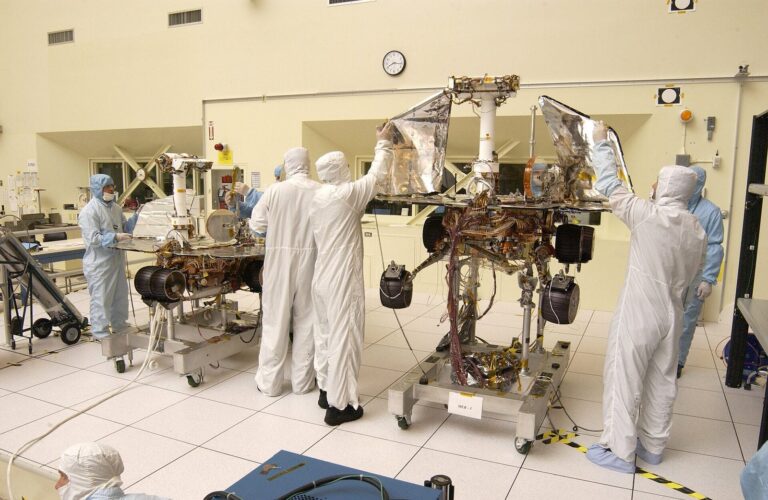 5+ WheelsSpirit – The Solar Rover That Lasted 20 Times Longer Than Planned
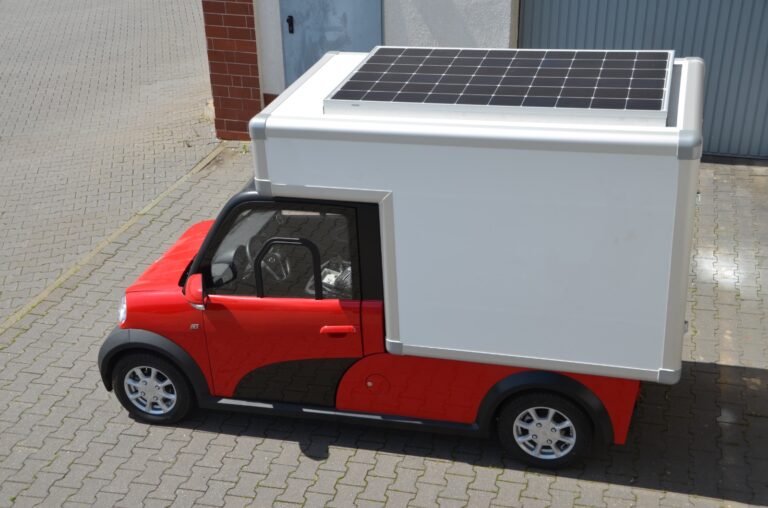 4 WheelsARI 458 Solar – An Electric Micro-Van That Charges Itself
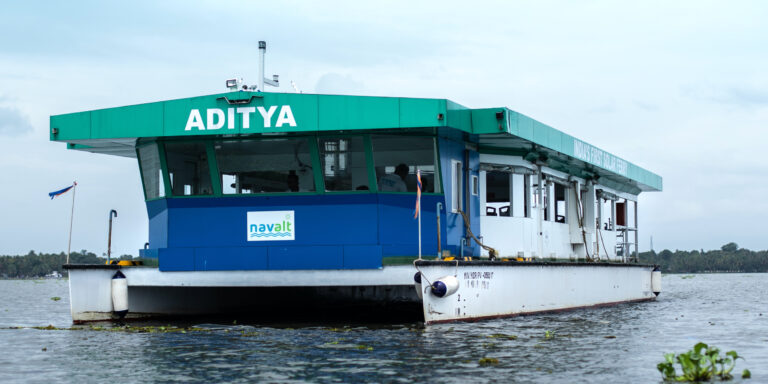 BoatsAditya – India’s First Solar Ferry
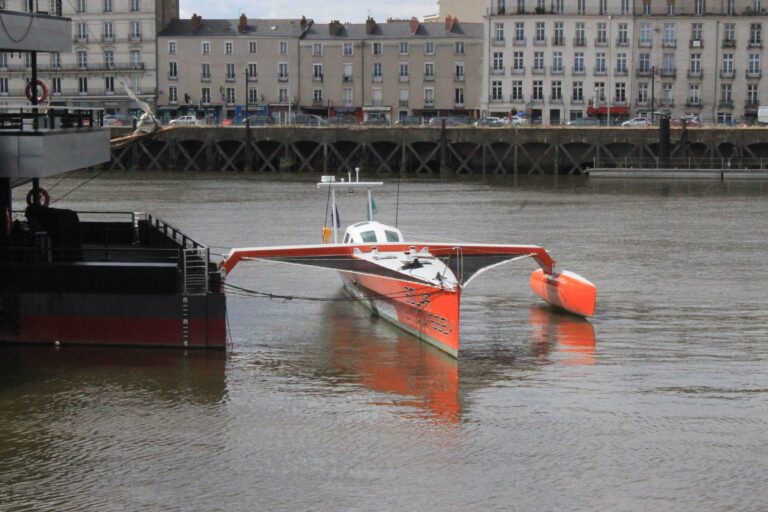 BoatsSolar Odyssey – A Solar-Electric Racing Trimaran
 3 WheelsSunswift IVy – The Fastest Car on Pure Solar Power
 TrailerSolarTrails
 BoatsSerpentine Solar Shuttle – London’s Solar Boat in Hyde Park
 PlanesNASA Helios – The Solar Wing That Flew to 29 km
 PlanesSolarStratos – Climbing Toward the Stratosphere on Sunlight
 PlanesSolar Riser – The First Human Flight on Solar Power (1979)
 3 WheelsTokai Challenger – 100 km/h Across Australia on Sunlight
 PlanesSolar Impulse 2 – Flying Around the World on Sunlight
 BoatsMalt’s Mermaid – Across the Pacific on Sunlight