
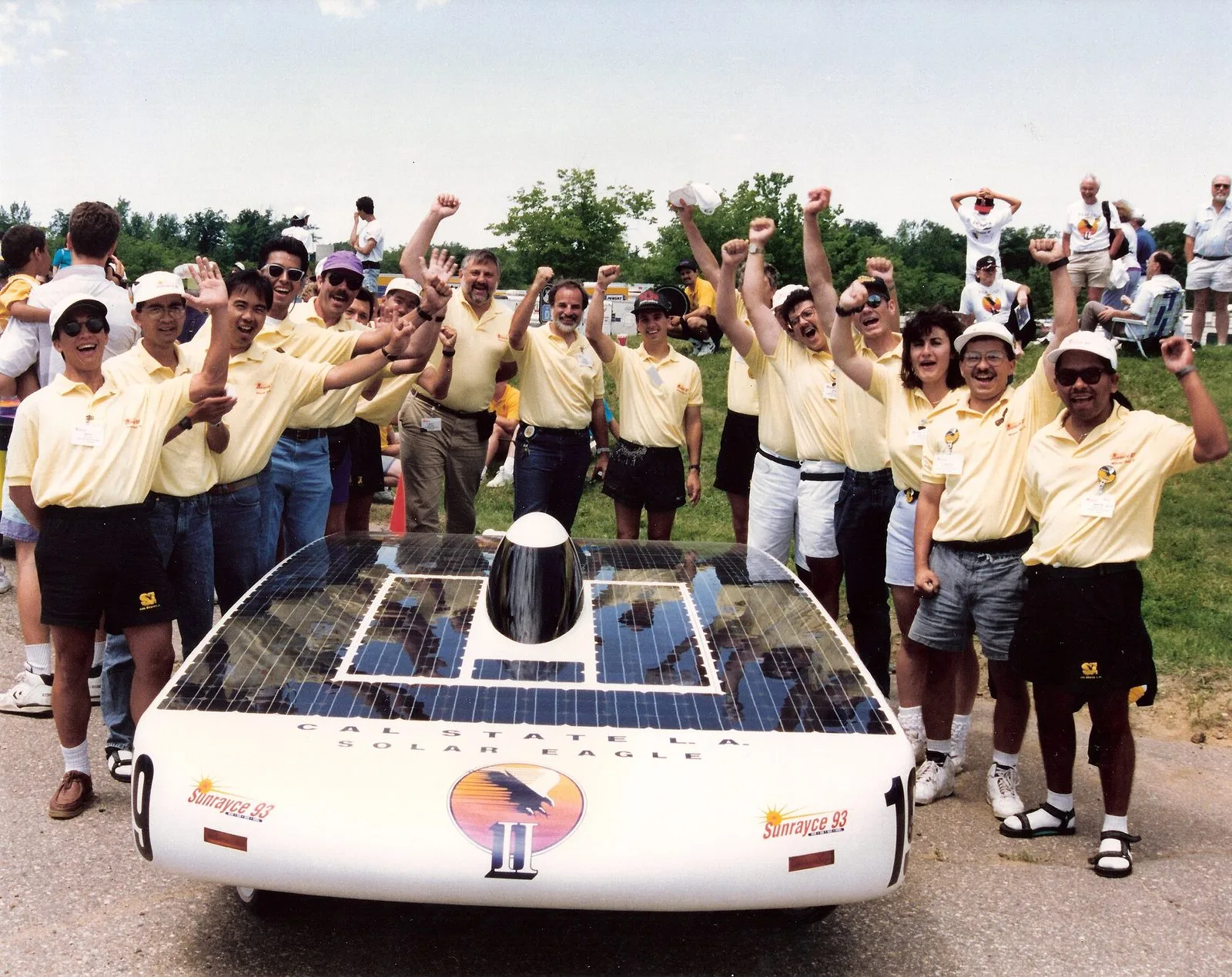
California loves its cars, and in the early 1990s a team at California State University, Los Angeles proved that it could love solar cars too. After their first Solar Eagle took fourth place in the 1990 GM Sunrayce, the students, faculty and staff built a lighter and smarter successor: Solar Eagle II.
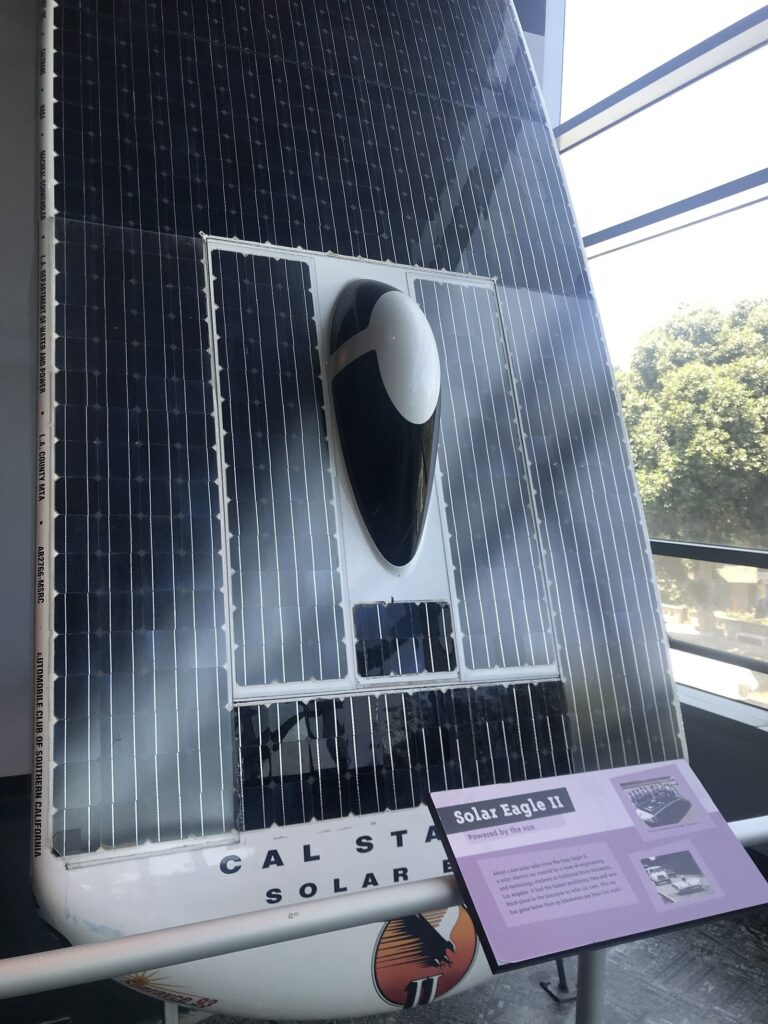
The car is about 4.9 m long and 1.9 m wide and weighs only about 163 kg (360 lb) without driver and batteries. A welded aluminium space frame is stiffened by a carbon-fibre battery box and underbody pan, and the body is carbon fibre over a Rohacell foam core. The array uses 754 BP Saturn monocrystalline cells on top plus 824 quarter-size cells on the sides to catch low sun. Solar Eagle II reaches 100 km/h and can travel up to 480 km on a sunny day.
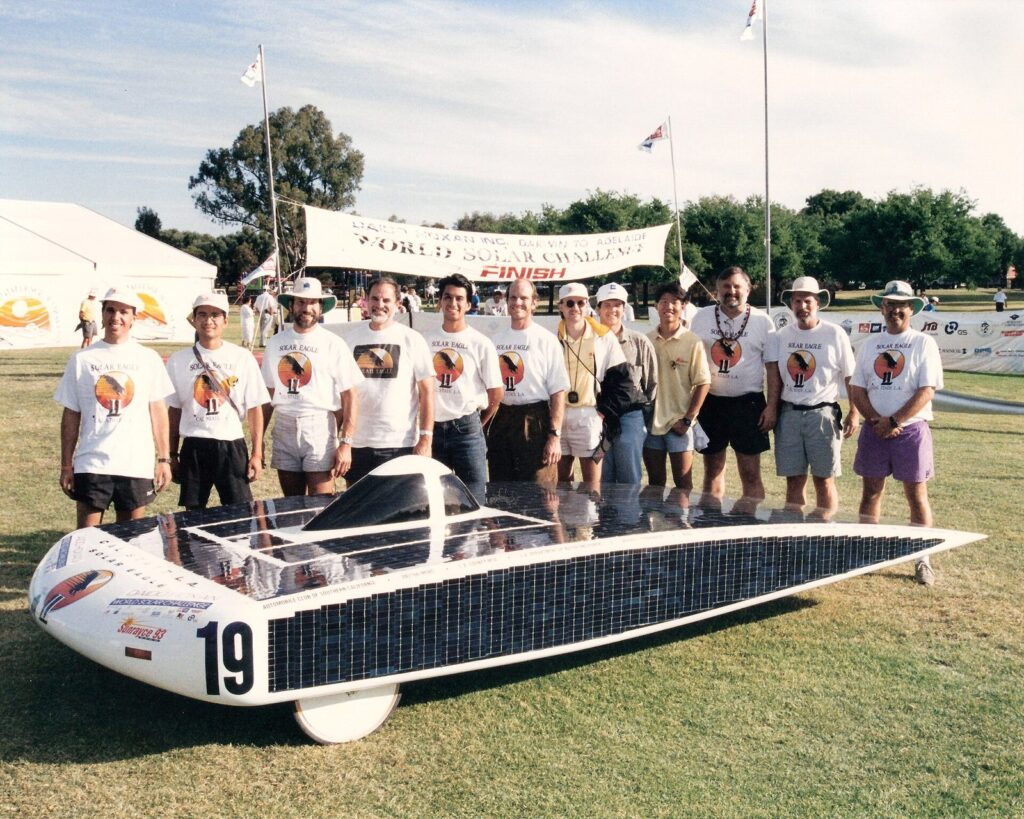
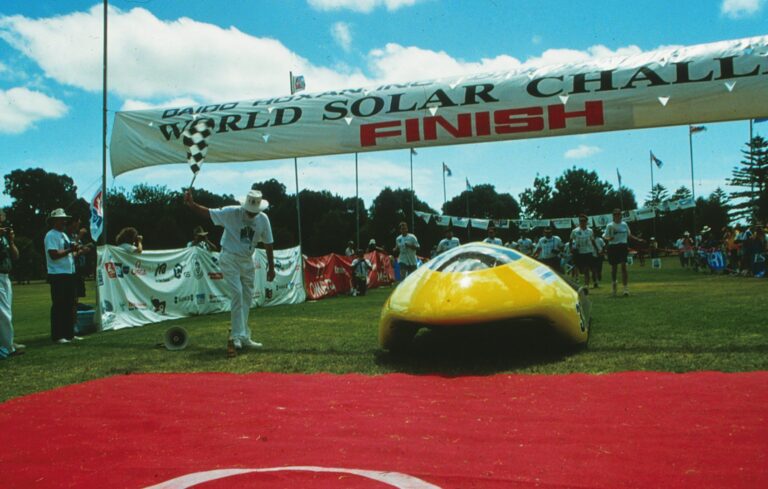
In June 1993 the car qualified fastest and started Sunrayce 93, a 1,000-mile race from Dallas, Texas to Minneapolis, Minnesota, from pole position. It finished third, ahead of 33 other universities, behind Michigan’s Maize & Blue and Cal Poly Pomona. The judges also gave the team awards for chassis design, propulsion and aerodynamics. In November 1993 Solar Eagle II crossed Australia in the World Solar Challenge and placed 13th out of 54 cars.
The story did not end there: its successor Solar Eagle III won Sunrayce 97 at a record average of 69.67 km/h. Solar Eagle II is now on display at the California Science Center in Los Angeles, a good stop if you want to see a 1990s solar racer up close. Its American rivals of the time include GM’s Sunraycer and the later Momentum.
Technical data
| Builder | Cal State LA School of Engineering & Technology (USA) |
|---|---|
| Year | 1993 |
| Size | ~4.9 × 1.9 × 1.0 m |
| Weight | ~163 kg (360 lb) without driver and batteries |
| Frame/body | Welded aluminium space frame; carbon fibre / Rohacell body |
| Solar | 754 BP Saturn cells on top + 824 quarter cells on the sides |
| Performance | Top speed 100 km/h, up to 480 km on a sunny day |
| Results | Sunrayce 93: 3rd (pole position); WSC 1993: 13th of 54 |
Photos
- Top photo: Mike-obermeyer / Wikimedia Commons, CC BY-SA 3.0
- Solar Eagle II on display at the California Science Center i… Photo: BeeboMan / Wikimedia Commons, CC BY 4.0
- At the finish of the 1993 World Solar Challenge in Australia… Photo: Mike-obermeyer / Wikimedia Commons, CC BY-SA 3.0
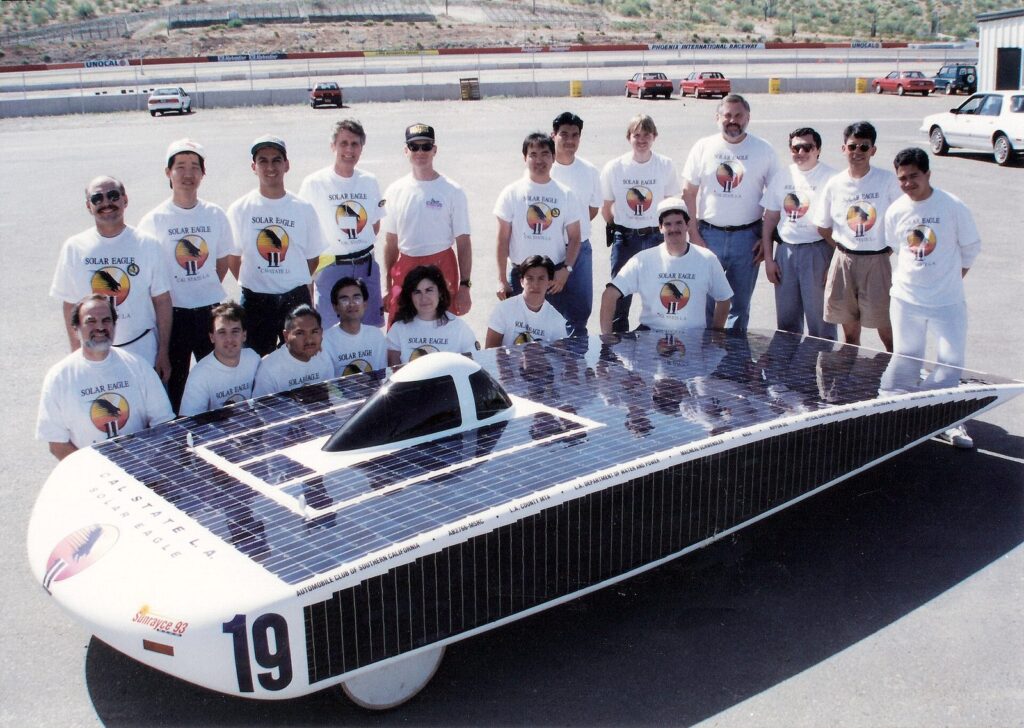
- The Cal State LA team with car number 19. Photo: Mike-obermeyer / Wikimedia Commons, CC BY-SA 3.0
Sources
Keep exploringMore solar projects
 Planesicaré 2 – The Solar Glider from Stuttgart
 5+ Wheels · TrailerSolatrike II
 BoatsFährBär – Berlin’s Solar Ferries
 4 WheelsGM Sunraycer – Winner of the First World Solar Challenge
 4 WheelsStella Lux – The Energy-Positive Family Car
 PlanesSolar Impulse 1 – The Prototype That Flew Through the Night
 BoatsTûranor PlanetSolar – Around the World on Sunlight
 3 WheelsClean Motion Zbee – A 230 kg Electric Trike from Sweden
 BoatsSolar Sailor – The Ferry with Solar Wings
 BoatsGalilée & Copernic – La Rochelle’s Solar Sea Buses
 PlanesSolarStratos – Climbing Toward the Stratosphere on Sunlight
 BoatsBluebottle – An Ocean Drone Powered by Sun, Wind and Waves
 3 Wheels · TrailerSolartaxi – The First Trip Around the World by Solar Car
 BoatsElektronemo – Prague’s Solar Boat in the Devil’s Channel
 TrailerSolarTrails
 3 WheelsOrganic Transit ELF – The Solar Velomobile
 4 WheelsStella Vie – The Solar Family Car from Eindhoven
 PlanesSolar Riser – The First Human Flight on Solar Power (1979)
 BoatsAditya – India’s First Solar Ferry
 2 WheelsDIY Off-Grid Solar E-Bike by Andreas Lemmer
 4 WheelsVenturi Eclectic – The Sun-and-Wind City Car from Monaco
 4 WheelsGreen Lightning & Green Thunder – Top Dutch Solar Racing
 5+ WheelsByron Bay Solar Train – The First Solar-Powered Passenger Train
 2 WheelsNTS SunCycle – The Solar Cargo Bike
 BoatsOrca ten Broke – Berlin’s Solar Seminar Ship
 3 WheelsTokai Challenger – 100 km/h Across Australia on Sunlight
 4 WheelsLightyear 0 – The First Production Solar Car
 4 WheelsToyota RaRa II – A Solar Car Built to Lead Marathons
 BoatsAltaussee – Austria’s First Solar Passenger Ship
 BoatsSunCat 120 – Berlin’s Solar Catamaran on the Spree
 PlanesSolair I – Germany’s Solar Aircraft Pioneer
 PlanesNASA Centurion – The 63-Metre Step Between Pathfinder and Helios
 4 WheelsMaize & Blue – Michigan’s 1993 National Champion
 5+ WheelsMars rover Opportunity
 3 WheelsStanford Luminos – 10,000 Safe Miles and 4th in the World
 4 WheelsSunswift 7 – 1,000 km on One Charge in Under 12 Hours
 2 WheelsSola.Bike 2 person bike with solar roof
 3 WheelsAurora 101 – Australia’s Home-Grown Solar Champion
 5+ WheelsLunokhod 1 – The First Solar-Charged Rover on the Moon
 BoatsSolaaris – Münster’s Solar Water Bus on the Aasee
 4 WheelsSono Sion – The Solar Car for Everyone
 5+ WheelsSpirit – The Solar Rover That Lasted 20 Times Longer Than Planned
 BoatsSolifleur – One of the First Solar Passenger Boats
 4 WheelsSquad Solar City Car – A Solar Microcar for Everyday Errands
 4 WheelsThe Big Lemon – The UK’s First Solar-Powered Bus
 BoatsNeckarsonne – Heidelberg’s Big Solar Catamaran
 BoatsEnergy Observer – Sun, Wind and Hydrogen at Sea
 3 WheelsCalSol Zephyr – Berkeley’s First Win After 27 Years
 3 WheelsXOF1 – Marcelo da Luz’s Solar Car to the Arctic Ocean
 4 WheelsHySolarKit – Turning an Ordinary Car into a Solar Hybrid
 4 WheelsHuawei Sonnenwagen – Aachen’s Rookie Run Across Australia
 PlanesGossamer Penguin – Pioneer of Piloted Solar Flight
 3 WheelsEolian 2 – Chile’s Solar Car from the Atacama to Australia
 4 WheelsARI 458 Solar – An Electric Micro-Van That Charges Itself
 5+ WheelsSojourner – The First Solar Rover on Mars
 3 WheelsAptera – The Car That Drinks Sunlight
 4 WheelsStella Vita – A Solar-Powered House on Wheels
 BoatsSerpentine Solar Shuttle – London’s Solar Boat in Hyde Park
 PlanesSunseeker II – First Solar Plane Across the Alps
 BoatsTU Delft Solar Boat – Flying Over Water on Hydrofoils
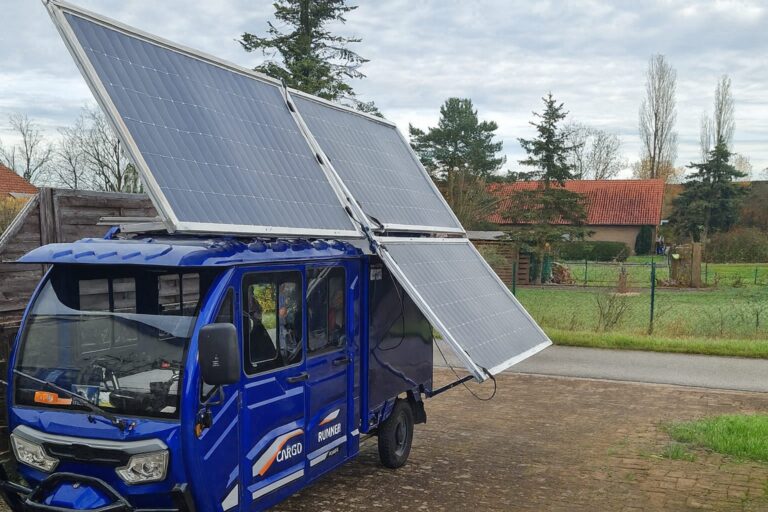 3 WheelsSolarcamper
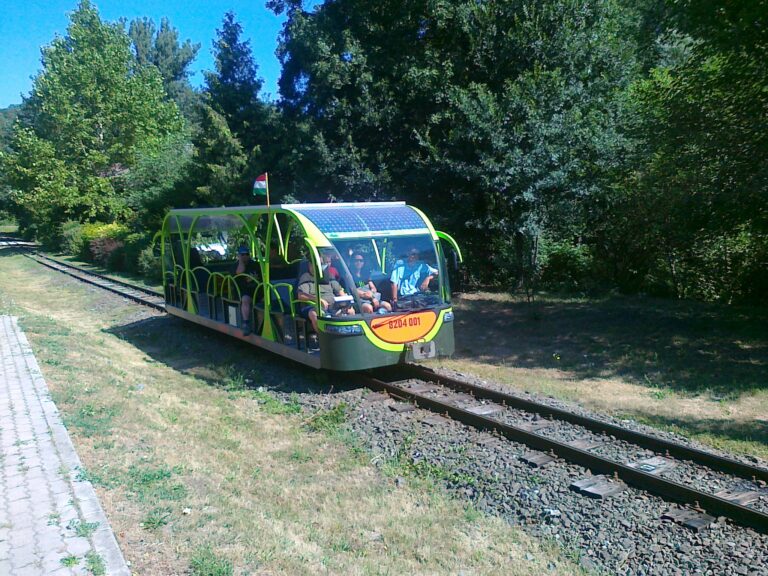 5+ WheelsKirályrét Solar Railcar – A Forest Train Running on Sunshine
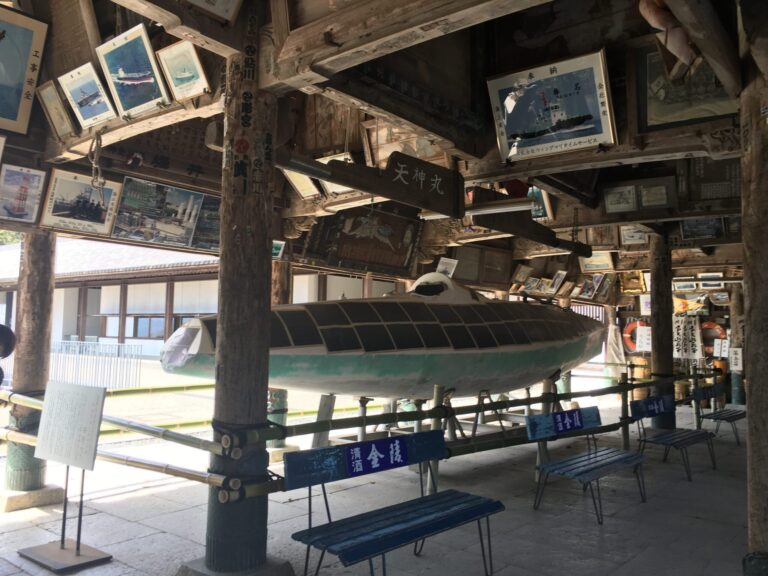 BoatsMalt’s Mermaid – Across the Pacific on Sunlight
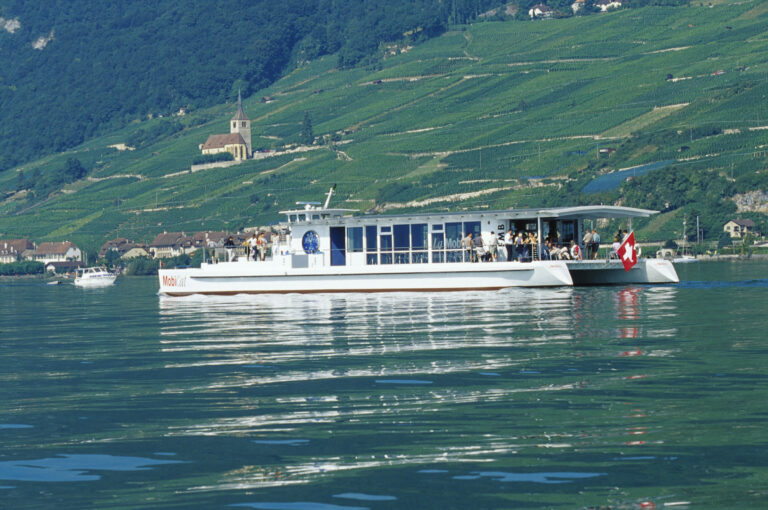 BoatsMobiCat – Switzerland’s Big Solar Lake Catamaran
 4 WheelsNuna 7 – Delft’s First Four-Wheeled World Champion
 BoatsWayward Sun – A Father and Son’s Solar Voyage to Alaska
 3 WheelsUmicar Infinity – Belgium’s Runner-Up in the Outback
 4 WheelsMercedes-Benz / Alpha Real – Winner of the First Solar Car Race
 BoatsSolar Odyssey – A Solar-Electric Racing Trimaran
 PlanesIngenuity – The Solar-Charged Helicopter That Flew on Mars