Two lithium chemistries dominate solar mobility: NMC lithium-ion, found in nearly every e-bike battery, and LiFePO4 (lithium iron phosphate), the favourite of camper and trailer builders. Neither is simply better – they suit different jobs.
The short comparison
- Weight: NMC stores far more energy per kilogram – a 500 Wh pack weighs around 3 kg in NMC and 4–5 kg in LiFePO4.
- Cycle life: NMC lasts hundreds of full cycles, good LiFePO4 thousands.
- Safety: LiFePO4 is much less prone to thermal runaway – reassuring for a pack in the sun all day.
- Price: LiFePO4 is cheaper per kWh – see record-low battery prices.
Which battery for which build?
- On the bike: NMC – every kilogram on a pedelec costs range.
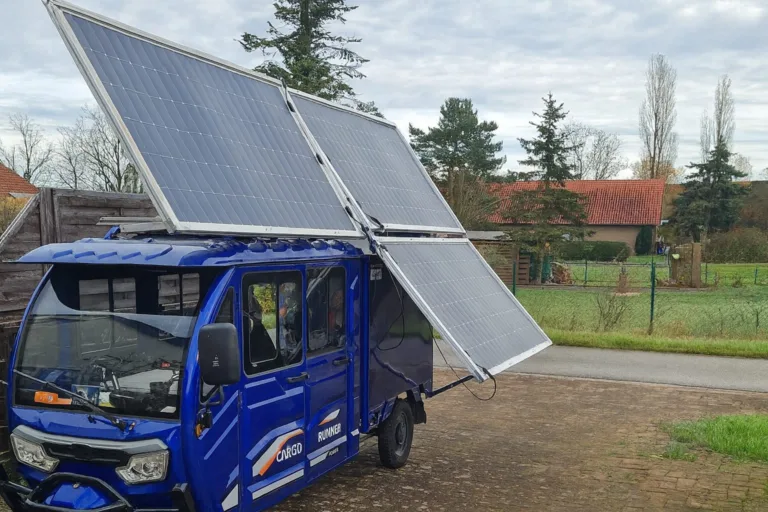
- Trailers, trikes and cargo bikes: LiFePO4 becomes attractive – see solar bike trailers.
- Campers and stationary storage: almost always LiFePO4, like the Solarcamper.
The catch: different voltages
The two chemistries have different cell voltages, so the same “48 V” means a different number of cells and different charge settings. Swapping one for the other without checking your motor controller and charge voltages is asking for trouble. A good BMS matters for both – and even more for LiFePO4.
The chemistry in depth: LiFePO4 explained. Everyday use of NMC packs: the lithium-ion guide.