A solar panel delivers its full power only at one combination of voltage and current – its maximum power point. An MPPT charge controller (Maximum Power Point Tracking) keeps finding that point and converts the panel’s output into the voltage your battery needs. On a solar e-bike, trike or camper, it decides how much sunshine actually ends up in the battery.
Why it matters
The maximum power point moves all the time – with light, heat and every passing shadow. Cheaper PWM controllers simply pull the panel down to battery voltage and waste the rest. MPPT typically harvests 10–30 % more, which on a bike often means many extra kilometres a day.
Buck or boost?
Most MPPT controllers can only lower the voltage (buck). That works when the panel voltage is above the battery’s. A 36 V or 48 V e-bike battery, however, needs more voltage than a small panel delivers – then you need panels in series or a boost MPPT controller. Getting this choice wrong is the most common beginner mistake.
Rules of thumb
- Match the controller to your battery’s chemistry and exact charge voltage.
- Check the panel’s cold-morning voltage against the controller’s input limit – see reading a datasheet.
- Always charge through the battery’s BMS and fuse the connection.
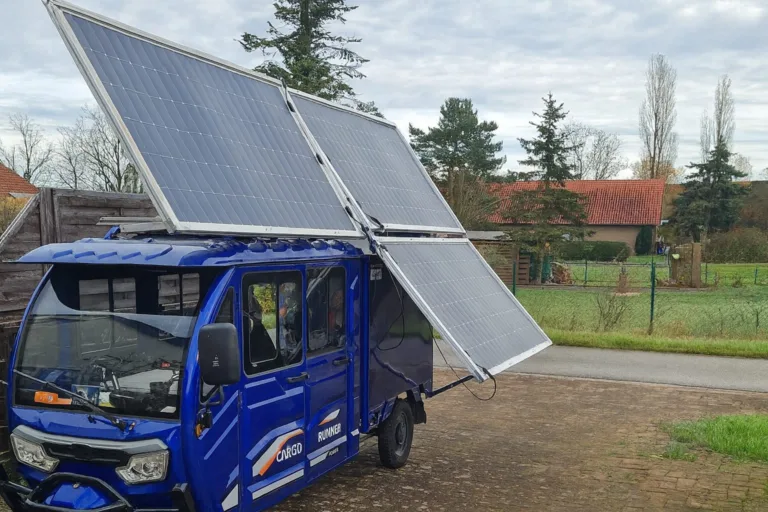
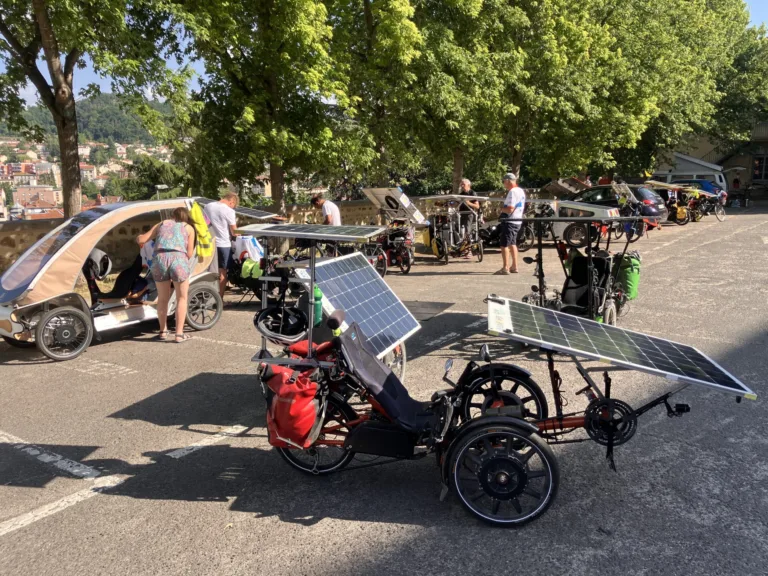
Riders of the Sun Trip and builders like the Solarcamper rely on MPPT charging every day.