
The EU Battery Regulation (Regulation (EU) 2023/1542) is the biggest change to battery rules in Europe in decades, and one of its key dates is now less than a year away. From 18 February 2027, new requirements apply to the batteries in e-bikes, e-scooters and other light means of transport (LMT).
What is an LMT battery?
The regulation defines LMT batteries as sealed batteries of up to 25 kg that power wheeled vehicles driven by an electric motor alone or by a motor plus human power. That covers practically every e-bike, cargo bike and e-scooter battery.
The two big changes
- Repairable down to the cell. E-bike batteries, and the individual cells inside the pack, must be readily removable and replaceable by an independent professional throughout the life of the product. No more packs glued shut forever.
- A digital battery passport. LMT batteries need a passport accessible via a QR code, with information on the battery’s make-up, origin and performance. Unlike industrial batteries, there is no minimum size.
For everyday portable batteries (in phones, laptops and other appliances), the regulation goes further: users must be able to remove and replace them with commercially available tools.
Why riders should care
Today, a single failed cell can mean throwing away an entire €600 battery. Cell-level repair by independent workshops should make batteries last longer, lower costs and cut waste. It is good news for anyone who rides a lot of kilometres, which most solar riders do.
What about DIY solar builds?
The rules apply to batteries placed on the market, meaning sold or supplied commercially in the EU. A pack you build for your own bike is not a product on the market. If you sell kits, packs or converted bikes, however, these obligations will apply to you. Check the details with your national authority before 2027.
Sources: Norton Rose Fulbright · Bike Europe · Projet Celsius
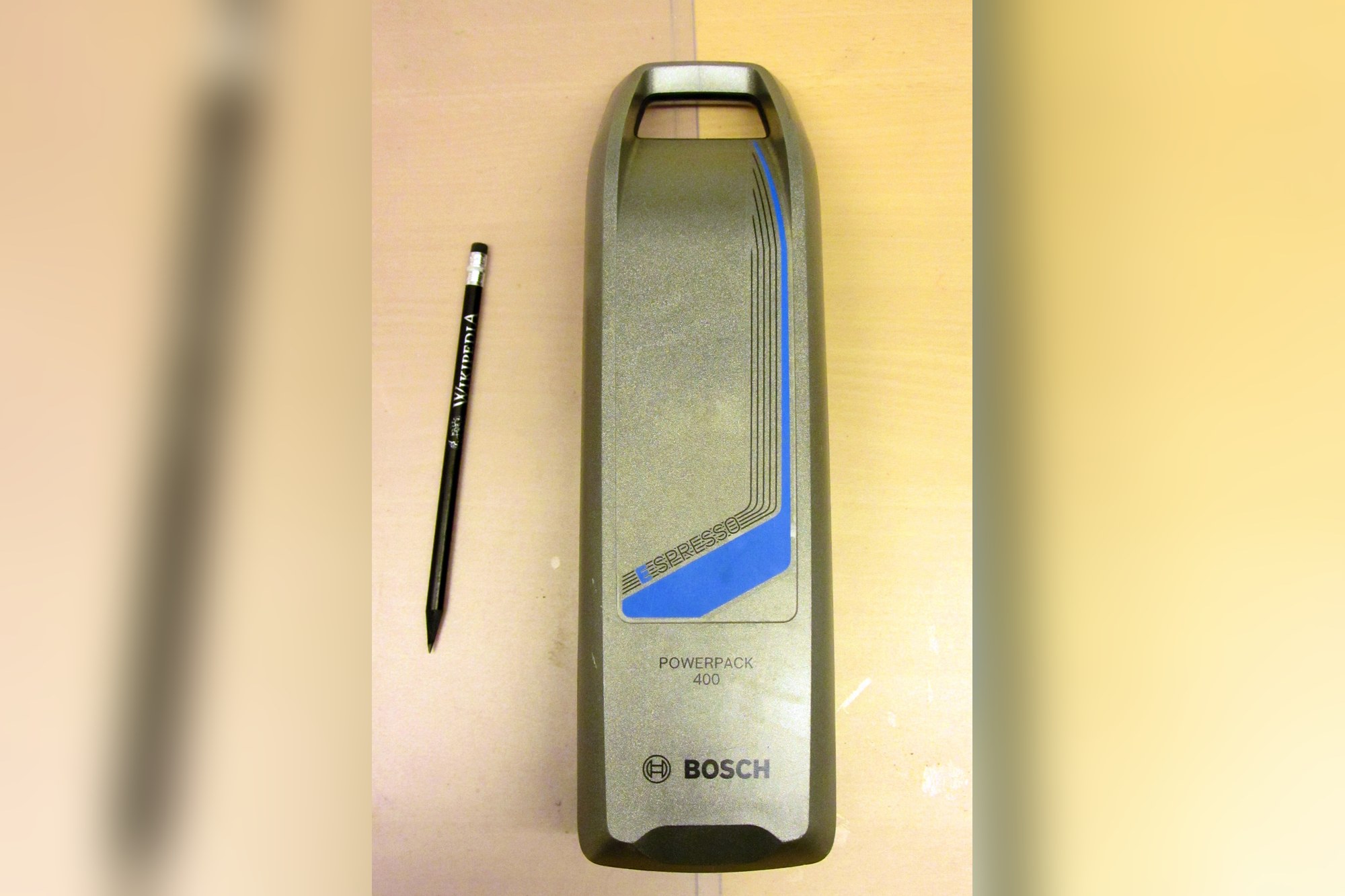
Photo (Removable Bosch PowerPack 400 e-bike battery): Stefan Bellini / Wikimedia Commons, CC0