Sodium-ion batteries have been “the next big thing” for a decade. In 2026 they finally become a mass product. CATL, the world’s largest battery maker, is rolling out its Naxtra sodium-ion cells at gigawatt-hour scale, in cars as well as in energy storage.
The numbers behind Naxtra
- 175 Wh/kg energy density, which CATL calls the highest for sodium cells in mass production
- More than 90% of capacity retained at −40 °C, still working down to −50 °C
- No lithium, cobalt or nickel; aluminium foil replaces copper on the current collector
- About a decade of development and roughly 10 billion yuan (US$1.4 billion) of investment
The first car to use it is the Changan Nevo A06, billed as the world’s first mass-production electric car with sodium-ion batteries, with a range of over 400 km and a launch planned for mid-2026. CATL is also investing 5 billion yuan in 40 GWh of new sodium-ion capacity in Fujian and has signed a 60 GWh supply agreement with energy-storage integrator HyperStrong.
Sodium versus LFP
At 175 Wh/kg, Naxtra lands in the same range as many lithium iron phosphate (LFP) cells. Its real strengths are cold-weather performance, safety (CATL reports no smoke or fire in crush, puncture and saw tests) and raw materials that are cheap and available almost everywhere.
What it means for solar mobility
Solar vehicles live outdoors. A battery that keeps its power on a frosty morning, tolerates abuse and costs less is ideal for solar trailers, campers and charging stations. As sodium production ramps up, expect it to reach two-wheelers and stationary packs first. Yadea already sells sodium scooters in China. For now, lithium still wins where every gram counts, as in race cars and long-distance solar bikes.
Sources: New Atlas · CarNewsChina · Electric & Hybrid Vehicle Technology
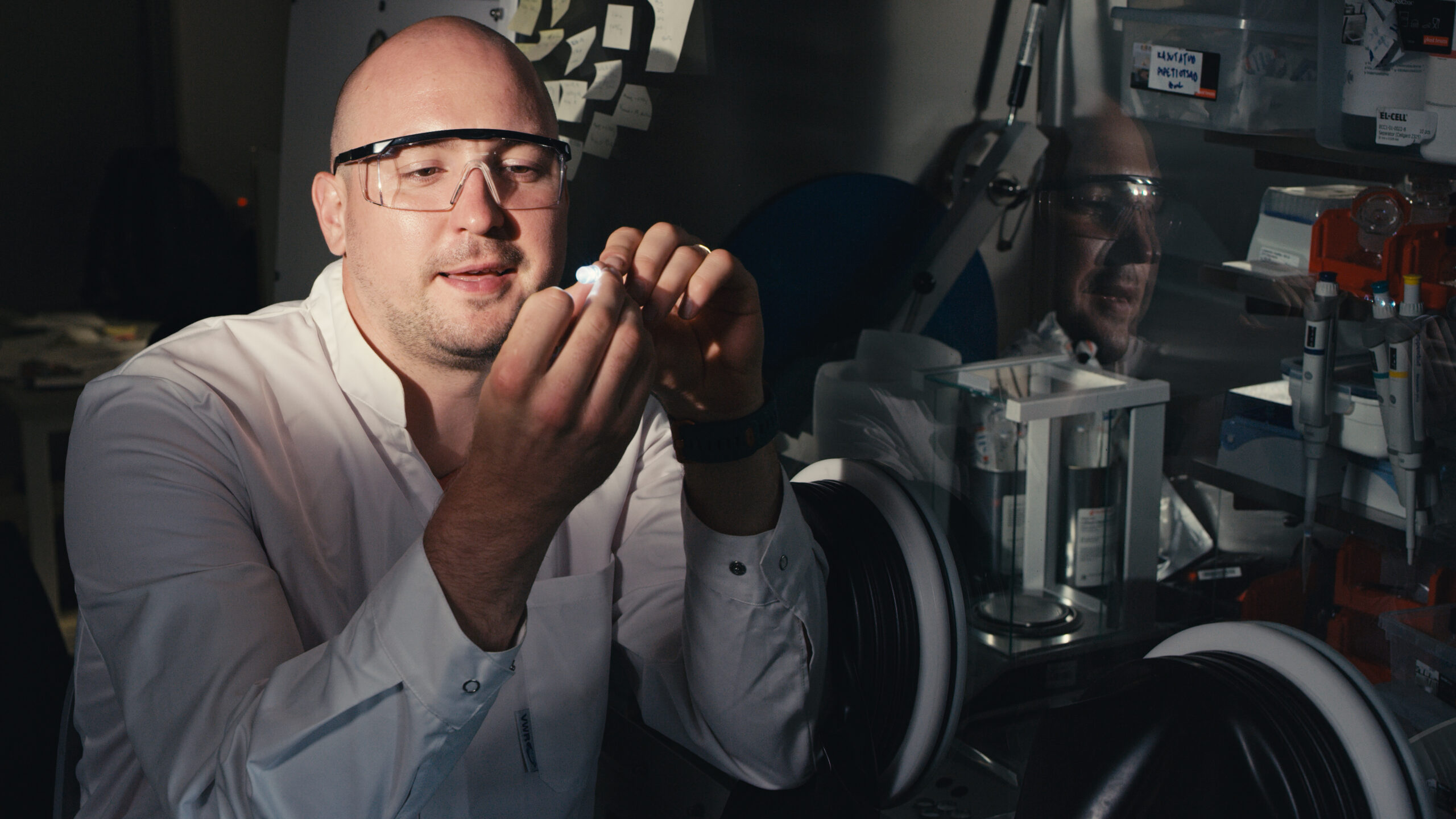
Photo (Sodium-ion battery research at the University of Tartu): Tavo Romann / Wikimedia Commons, CC BY 4.0